
Islam in Southeast Asia: Indonesia, Malaysia and Beyond
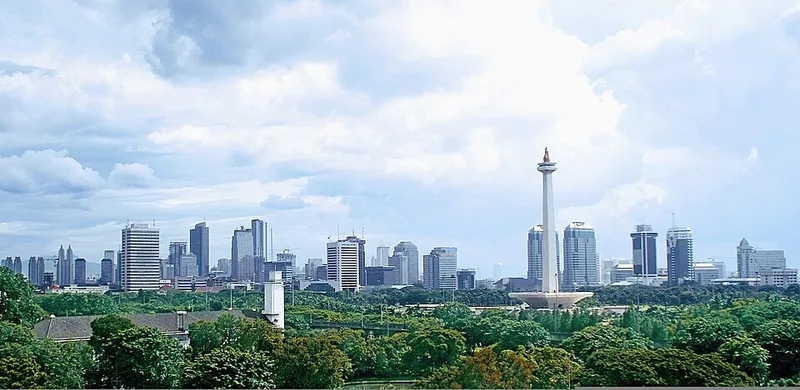
Home to the largest Muslim population of any region on earth, Southeast Asia offers one of the clearest historical examples of how Islam spread peacefully through trade rather than conquest. From the bustling ports of the Malay Archipelago to the sultanates of Java and Sumatra, the story of Islam in Indonesia, Malaysia and neighboring nations is one of gradual, largely commercial and cultural exchange spanning several centuries.
Trade Routes and the Arrival of Islam
Islam is generally understood by historians to have reached Southeast Asia via maritime trade routes connecting the Arabian Peninsula, Persia and India to the Malay Archipelago. Muslim merchants traveling these routes in search of valuable spices — cloves, nutmeg and pepper — established trading posts and communities along the coasts of what is now Indonesia and Malaysia, beginning a gradual process of cultural and religious exchange.
A Peaceful, Gradual Process
Unlike some regions where Islam's early expansion involved political and military transitions, Southeast Asia's conversion to Islam took place primarily through peaceful means — commerce, intermarriage and the influence of respected local rulers and traveling scholars who gradually embraced and then promoted the faith among their communities.
The Role of Sufi Teachers
Many historians point to traveling Sufi teachers and scholars as key figures in Islam's spread across the region, valued for their emphasis on personal spirituality and their willingness to engage respectfully with existing local customs and beliefs. This approach allowed Islam to blend naturally with local Malay and Javanese cultural traditions rather than replacing them outright, resulting in a distinctive regional expression of Islamic practice.
The Rise of Islamic Sultanates
By the 13th to 15th centuries, a number of Islamic sultanates had emerged across the region, including the Sultanate of Malacca on the Malay Peninsula — a powerful trading hub that helped further establish Islam as the dominant faith across the archipelago. These sultanates became important centers of Islamic governance, trade and culture, shaping the region's identity for centuries to come.
- Maritime trade: Arab, Indian and Persian merchants connected the spice trade to Islamic faith.
- Sufi influence: Traveling teachers helped Islam blend with local Malay and Javanese traditions.
- Sultanates: Political centers like Malacca helped establish Islam as the region's dominant faith.
Southeast Asia's Muslim Population Today
Today, Indonesia is home to the largest Muslim population of any single country in the world, with the majority of its population practicing Islam. Malaysia, Brunei, and significant Muslim communities across the Philippines, Thailand and Singapore complete a region that represents one of the most vibrant and culturally distinct expressions of Islam anywhere in the world.
The region's historic trade in spices and aromatic goods also left a lasting cultural connection to fragrance — sandalwood, in particular, has deep roots in Southeast Asian and South Asian scent traditions. At Reyhan Esans, our natural sandalwood-based fragrances draw on this same appreciation for rare, aromatic materials that once traveled these historic trade routes.
Frequently Asked Questions
How did Islam reach Southeast Asia?
Islam reached Southeast Asia primarily through maritime trade routes, carried by Arab, Indian and Persian Muslim merchants who traveled to the Malay Archipelago over several centuries.
Why is Indonesia significant for Islam today?
Indonesia is home to the largest Muslim population of any country in the world, making it a major center of Islamic culture and scholarship in the modern era.
Did Sufi teachers play a role in spreading Islam in the region?
Yes, many historians credit traveling Sufi teachers and scholars, alongside merchants, with playing a significant role in introducing Islam to local communities.
What role did trade play in the spread of Islam here?
The spice trade connecting the Malay Archipelago to India, Persia and Arabia created constant contact between Muslim merchants and local populations, allowing Islam to spread gradually.
Learn more in our guides on how Islam spread across the world and the global Muslim population today.
With over 35 years of experience in fragrance craftsmanship, we honor the historic spice and aromatic trade routes that connected Southeast Asia to the wider Islamic world. Reach us anytime via WhatsApp.
Sources & note: This overview reflects widely accepted historical scholarship on Islam in Southeast Asia. Details are presented at a general, encyclopedic level.
Premium roll-on perfumes, prayer beads, ihram & Hajj-Umrah essentials — since 1991.
Browse the shop →Get 10% off your first order — coupon code: ILK10