
Jerusalem in Islamic History: Al-Aqsa and Its Significance
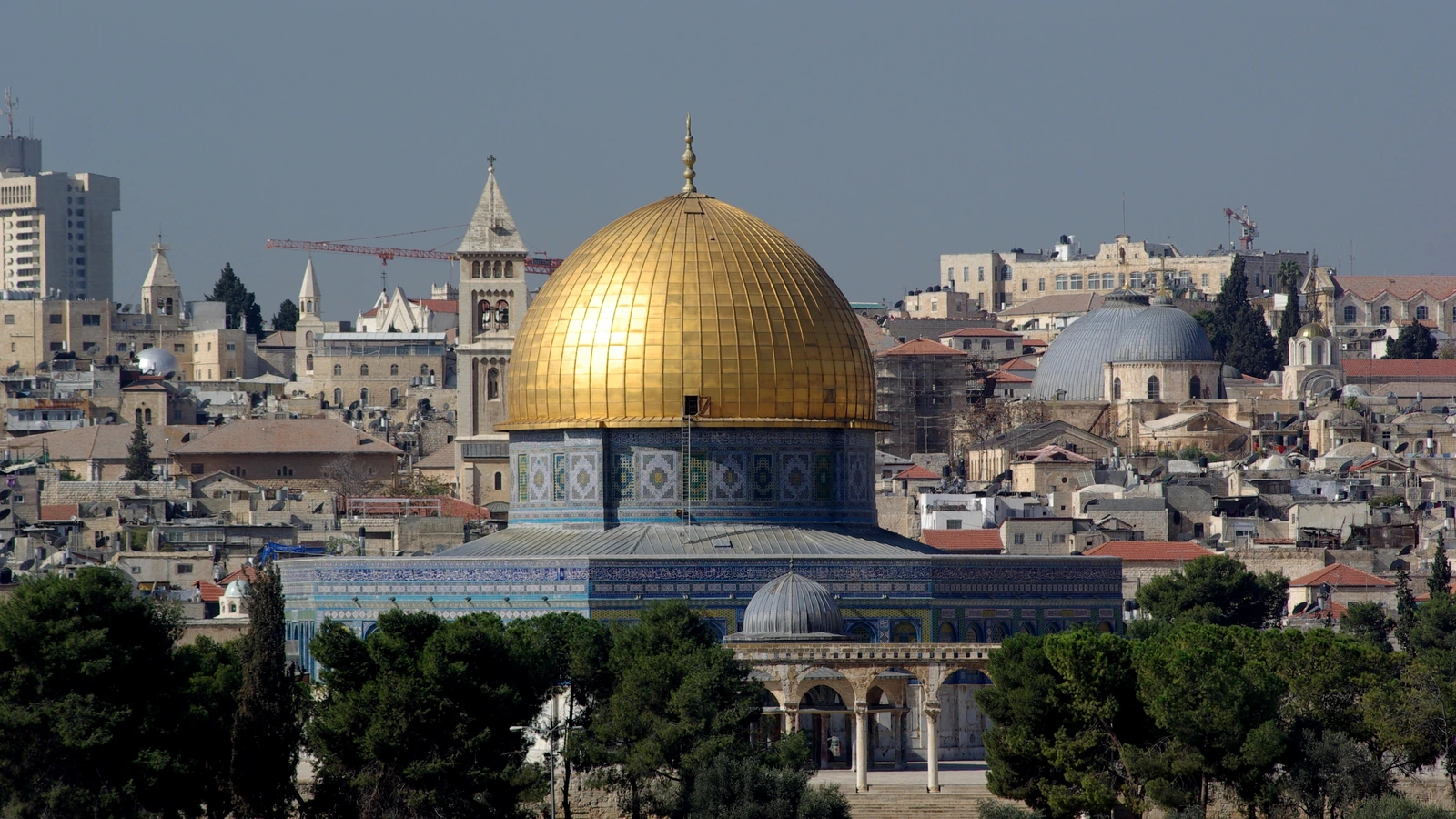
Jerusalem holds a distinctive place in Islamic tradition as the third holiest city after Mecca and Medina. Referred to in Arabic as Al-Quds ("The Holy"), the city's significance in Islam is rooted in its connection to the Night Journey of the Prophet Muhammad and to Al-Aqsa Mosque, one of the most revered sites in the Muslim world. This article looks at Jerusalem's place in Islamic history and tradition, focusing strictly on its religious and historical context.
The First Qibla
In the earliest years of Islam, Muslims prayed facing Jerusalem, making it the first qibla, or direction of prayer, in Islamic practice. This direction was later changed to the Kaaba in Mecca, a shift described in the Quran, but Jerusalem's association with early Islamic prayer left a lasting spiritual connection between the city and the Muslim community.
The Night Journey (Isra and Mi'raj)
Central to Jerusalem's significance in Islam is the Isra and Mi'raj, the miraculous Night Journey in which the Prophet Muhammad is described as having traveled from Mecca to Jerusalem in a single night, and from there ascended through the heavens. This event, commemorated annually in the Islamic calendar, is why Al-Aqsa Mosque in Jerusalem is often described as "the farthest mosque" — a direct reference found in the Quran.
Al-Aqsa Mosque
Al-Aqsa Mosque, located within Jerusalem's Old City, is regarded as the third holiest site in Islam. The mosque complex, with its distinctive architecture developed over many centuries, has served as a place of prayer and pilgrimage for Muslims since the earliest period of Islamic history. Its enduring religious significance continues to draw visitors and worshippers from across the Muslim world.
Jerusalem's Place in Islamic Scholarship
Beyond its architectural and devotional significance, Jerusalem has historically been a city of religious scholarship, home to scholars, students and travelers who came to study and worship at its holy sites. Its layered history — spanning multiple faiths and civilizations — has made it one of the most studied and written-about cities in religious history.
- Religious significance: Third holiest city in Islam, after Mecca and Medina.
- Historical role: First qibla and site of the Night Journey.
- Al-Aqsa Mosque: A center of prayer and pilgrimage for over a millennium.
A City of Shared Reverence
Jerusalem's holiness in Islamic tradition exists alongside its significance to Judaism and Christianity, making it one of the few cities on earth held sacred by three major world religions. This overview focuses specifically on Jerusalem's place within Islamic religious and historical tradition, honoring its significance to Muslims without entering into contemporary political discussions that fall outside the scope of a historical and cultural guide.
At Reyhan Esans, we approach every aspect of Islamic heritage — from holy cities to daily devotional items like prayer beads and fragrance — with the same respect and care that has guided our work for over three decades.
Frequently Asked Questions
Why is Jerusalem important in Islam?
Jerusalem is home to Al-Aqsa Mosque, the third holiest site in Islam, and is associated with the Prophet Muhammad's Night Journey. It also served as the first qibla before it was changed to Mecca.
What is the Night Journey in Islam?
The Night Journey (Isra and Mi'raj) refers to the Prophet Muhammad's miraculous journey from Mecca to Jerusalem and his ascension, an event referenced in the Quran.
What is Al-Aqsa Mosque?
Al-Aqsa Mosque is a mosque complex in Jerusalem's Old City, regarded as the third holiest site in Islam after Mecca and Medina.
Was Jerusalem always the qibla?
In the early period of Islam, Muslims prayed facing Jerusalem before the qibla was changed to the Kaaba in Mecca, a change described in the Quran.
Learn more about Islam's holiest cities in our guide to the history of Mecca and Medina and explore how Islam spread across the world.
With over 35 years of experience, we share respectful, well-researched content on Islamic holy sites and heritage alongside our fragrance and Hajj & Umrah collections. Reach us anytime via WhatsApp.
Sources & note: This overview reflects widely accepted Islamic religious and historical tradition. Details are presented at a general, encyclopedic level, focused strictly on religious history.
Premium roll-on perfumes, prayer beads, ihram & Hajj-Umrah essentials — since 1991.
Browse the shop →Get 10% off your first order — coupon code: ILK10