
Kutub al-Sittah: The Six Major Hadith Collections
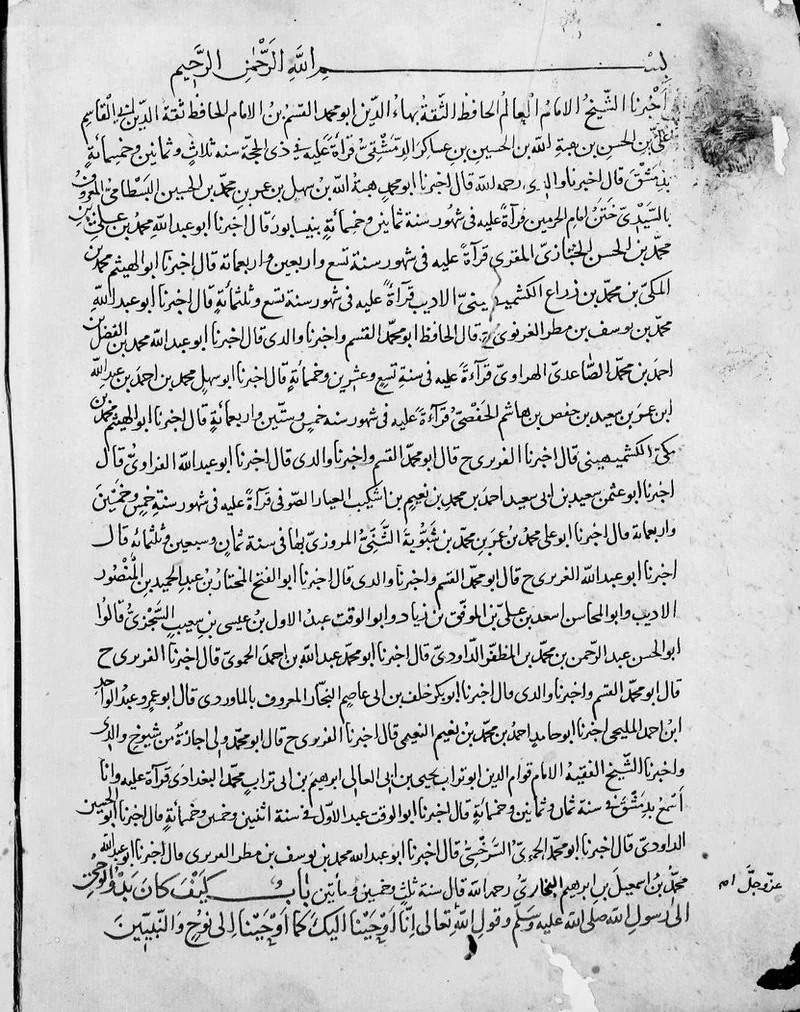
Kutub al-Sittah, literally "the six books," refers to the six hadith collections recognized by the majority of Sunni Muslims as the most authoritative compilations of the sayings, actions and approvals of the Prophet Muhammad. Alongside the Quran, these collections form the foundation of Islamic law, ethics and daily practice. This article introduces each collection and explains their role in Islamic scholarship.
What Is a Hadith?
A hadith is a report describing something the Prophet Muhammad said, did, or silently approved of, passed down through a documented chain of narrators (isnad). Islamic scholars developed a rigorous methodology for evaluating the reliability of each narrator in that chain, classifying hadith by their strength — from sahih (authentic) to weaker categories — a discipline known as the science of hadith (ilm al-hadith).
The Six Collections
| Collection | Compiler | Known For |
|---|---|---|
| Sahih al-Bukhari | Imam al-Bukhari | Widely regarded as the most rigorously authenticated collection |
| Sahih Muslim | Imam Muslim | Second in authority to al-Bukhari, similarly strict methodology |
| Sunan Abu Dawood | Abu Dawood | Strong focus on legal (fiqh-related) hadith |
| Jami at-Tirmidhi | al-Tirmidhi | Notable for grading each hadith's strength within the text itself |
| Sunan an-Nasa'i | al-Nasa'i | Known for careful, detailed criticism of narrators |
| Sunan Ibn Majah | Ibn Majah | Contains additional narrations not found in the other five |
Sahih al-Bukhari and Sahih Muslim
Among the six, Sahih al-Bukhari and Sahih Muslim hold a place of special distinction. Their compilers applied exceptionally strict criteria when verifying the authenticity of each narration's chain of transmission, and the two collections together are often referred to as "the two Sahihs" — widely regarded by Sunni scholars as the most reliable sources of hadith after the Quran itself.
Why These Collections Matter
The Kutub al-Sittah serve as an essential source for understanding how the Quran's teachings were practically applied by the Prophet Muhammad in daily life — from acts of worship to personal conduct and social ethics. Islamic scholars across centuries have drawn on these collections to derive rulings in Islamic jurisprudence (fiqh), making them foundational texts studied in seminaries and universities throughout the Muslim world.
A Note on Scholarly Tradition
These six collections represent one major strand of hadith scholarship, primarily associated with the Sunni tradition; other traditions within Islam maintain their own respected hadith collections. Across all traditions, the careful, methodical approach to verifying and transmitting these texts represents one of the most sophisticated systems of textual preservation in pre-modern scholarship.
Frequently Asked Questions
What is Kutub al-Sittah?
Kutub al-Sittah, meaning "the six books," refers to six hadith collections regarded by Sunni Muslims as the most authoritative compilations of the sayings and actions of the Prophet Muhammad.
What are the six hadith collections?
The six collections are Sahih al-Bukhari, Sahih Muslim, Sunan Abu Dawood, Jami at-Tirmidhi, Sunan an-Nasa'i, and Sunan Ibn Majah, each compiled by a distinct scholar in the early centuries of Islam.
Why are Sahih al-Bukhari and Sahih Muslim considered the most authoritative?
Sahih al-Bukhari and Sahih Muslim are widely regarded as the most rigorously verified of the six collections due to the strict criteria their compilers applied when authenticating each narration's chain of transmission.
What is a hadith?
A hadith is a recorded report of something the Prophet Muhammad said, did, or approved of, transmitted through a documented chain of narrators and studied as a source of Islamic guidance alongside the Quran.
Continue exploring Islamic textual heritage with our guide to Riyad as-Salihin and Dala'il al-Khayrat, and browse our collection of Qibla stands and rahle book holders for your home study space.
With over 35 years of experience serving Muslim families, we share carefully researched content on Islamic scholarship alongside our collection of rahle stands, Cevşen books and prayer accessories. Reach us anytime via WhatsApp.
Sources & note: This overview reflects widely accepted accounts of the six hadith collections within Sunni Islamic scholarship, presented at a general, encyclopedic level. For questions of religious ruling, please consult a qualified scholar.
Premium roll-on perfumes, prayer beads, ihram & Hajj-Umrah essentials — since 1991.
Browse the shop →Get 10% off your first order — coupon code: ILK10