Miswak Sunnah & Benefits: The Prophet's Natural Toothbrush
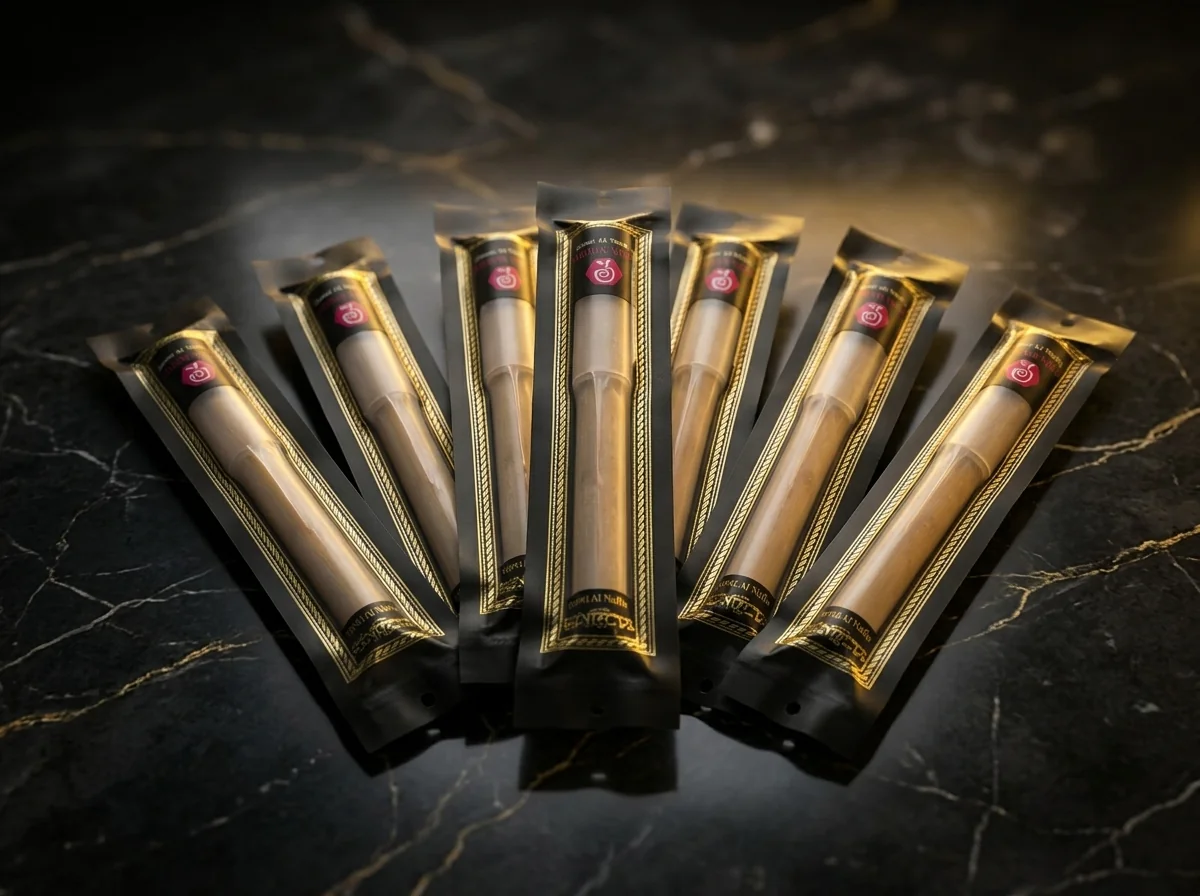
Long before modern toothbrushes and toothpaste, Muslims across the world relied on a simple, natural twig for oral hygiene: the miswak. Still widely used today, this humble tool carries deep Sunnah significance and is backed by genuinely useful oral health properties. Here's everything you need to know about what it is, why it matters religiously, and how to use it correctly.
What Is Miswak?
Miswak, also called siwak, is a natural teeth-cleaning stick most commonly harvested from the Salvadora persica (arak) tree, though other trees are used regionally as well. When chewed, the tip separates into soft, bristle-like fibers that can be used to gently brush the teeth and gums — essentially functioning as a natural, biodegradable toothbrush that requires no water, paste, or electricity.
Why Miswak Is Considered Sunnah
Hadith literature describes the Prophet Muhammad (peace be upon him) using miswak with remarkable regularity — before each prayer, upon waking, before entering his home, and at many other points throughout the day. This consistent pattern is why miswak use is widely regarded across Islamic scholarship as a strongly recommended (Sunnah) practice, closely tied to the broader Islamic emphasis on personal cleanliness (taharah).
When Miswak Is Traditionally Used
- Before each of the five daily prayers — one of the most frequently cited occasions in hadith.
- Upon waking up — to freshen the mouth after sleep.
- Before reciting Quran — as a form of respect and cleanliness.
- Before entering the home — as part of general personal upkeep.
How to Use Miswak Correctly
- Trim the tip: cut about 0.5-1 cm off the end of the stick with a clean knife.
- Chew gently: chew the trimmed end until it softens and separates into fine, bristle-like fibers — this usually takes under a minute.
- Brush gently: use light strokes across your teeth and gums, similar to using a soft-bristled toothbrush, focusing on all surfaces.
- Refresh as needed: trim a fresh section of the stick every few days, or when the fibers become worn.
- Store properly: keep it in a clean, dry, ventilated case between uses.
Miswak's Practical Oral Health Benefits
Beyond its religious significance, miswak has been studied for its natural oral health properties. The Salvadora persica tree naturally contains compounds with antibacterial characteristics, and its fibrous texture provides gentle mechanical cleaning similar to brushing. This combination is part of why miswak has remained in continuous daily use for well over a thousand years, alongside — not necessarily as a full replacement for — modern dental care.
| Feature | Miswak |
|---|---|
| Requires water/paste | No |
| Portable | Yes, ideal for travel and Hajj/Umrah |
| Biodegradable | Yes, fully natural |
| Religious significance | Strong Sunnah practice |
A miswak is also a genuinely practical travel companion for Hajj and Umrah, where water and full dental kits aren't always convenient before each of the day's prayers. At Reyhan Esans, we offer quality miswak sticks alongside our full range of Hajj & Umrah essentials, prayer beads and halal fragrance.
Frequently Asked Questions
What is miswak?
Miswak (also called siwak) is a natural teeth-cleaning twig, most commonly from the Salvadora persica (arak) tree, used for centuries across the Muslim world for oral hygiene.
Why is using miswak considered Sunnah?
Multiple hadith describe the Prophet Muhammad (peace be upon him) regularly using miswak, including before prayer, upon waking, and before entering his home, making it one of the most consistently recommended personal hygiene practices in Islamic tradition.
How do you use a miswak stick correctly?
Trim about half a centimeter off the tip, chew it gently until soft bristle-like fibers form, then brush your teeth and gums with light, gentle strokes, similar to using a soft toothbrush. Trim and re-chew a fresh section as needed.
Can miswak replace a regular toothbrush?
Miswak can be used as a natural, water-free alternative for quick cleaning throughout the day, especially before prayer, but many people use it alongside regular brushing with toothpaste for complete oral care.
See also: Hajj & Umrah bag essentials and the Sunnah of Friday prayer preparation.
We supply miswak, prayer beads, ihram and Hajj/Umrah essentials sourced with quality and tradition in mind. Reach us on WhatsApp for any questions.
Sources & references: Religious context in this article reflects widely accepted general Islamic teachings on miswak/siwak use found across classical hadith literature; general oral health information reflects widely documented traditional and botanical knowledge. This content is for general informational purposes and is not medical or religious ruling advice — consult a dentist or qualified scholar for specific guidance.
Premium roll-on perfumes, prayer beads, ihram & Hajj-Umrah essentials — since 1991.
Browse the shop →Get 10% off your first order — coupon code: ILK10