
What Is Oud? Why Is It So Expensive?
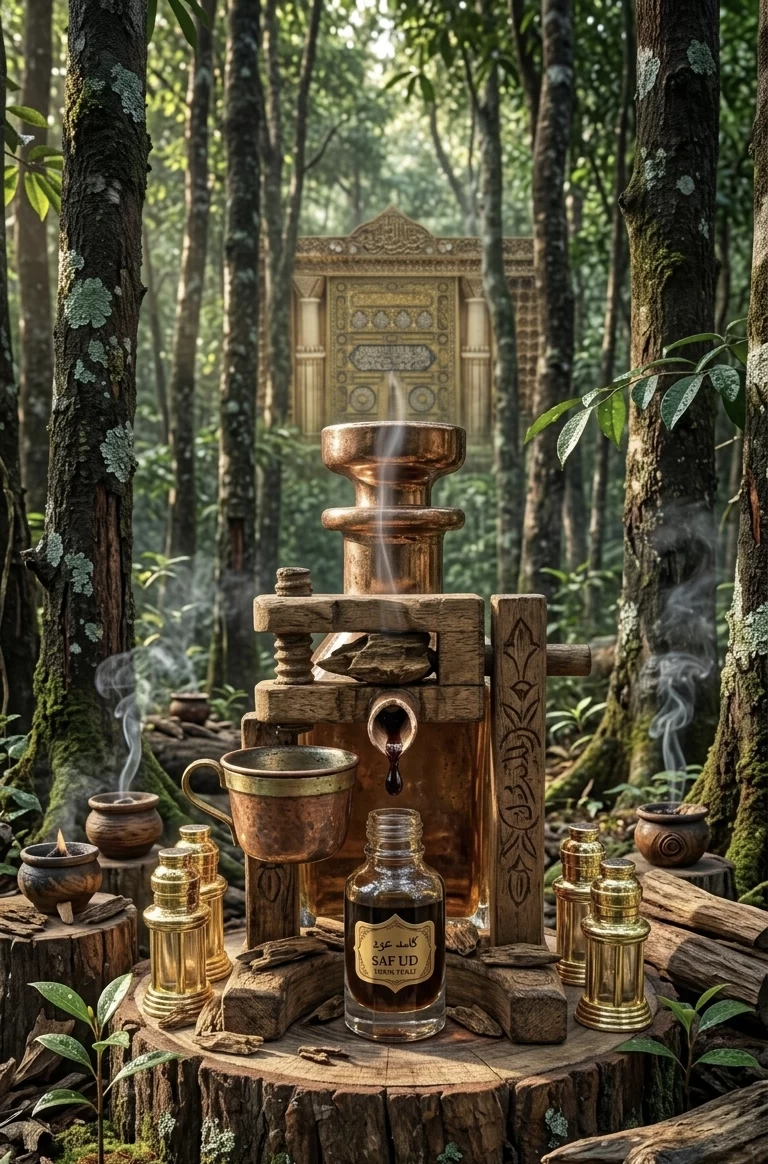
Ounce for ounce, high-grade oud can cost more than gold. It is arguably the single most iconic and expensive raw material in the entire fragrance industry, and it holds deep cultural and religious significance across the Muslim world. But what exactly is oud, and why does it command such extraordinary prices? Here's the full story.
What Is Oud?
Oud, also known as agarwood, comes from trees of the Aquilaria genus, native to Southeast Asia. In their healthy state, these trees produce plain, light-colored, largely odorless wood. Oud is only formed when the tree becomes infected by a specific mold. In response to the infection, the tree produces a dark, dense, aromatic resin as a defense mechanism — and it is this resin-infused wood that becomes the prized material known as oud.
Why This Process Makes Oud So Rare
- Natural infection is rare: only a small percentage of wild Aquilaria trees ever become infected in a way that produces high-quality resin.
- It takes years to form: the resin needs time — often many years — to develop the deep, complex aroma prized by perfumers.
- Sustainable supply is limited: due to over-harvesting concerns, several Aquilaria species are now protected, and much of today's supply comes from carefully managed cultivation.
- Grading varies enormously: oud quality is graded on color, density, oil content and aroma complexity, with the finest grades reaching extraordinary prices per gram.
Oud's Place in Islamic and Middle Eastern Culture
Oud has been burned as incense and used in oil form across the Arabian Peninsula and broader Islamic world for centuries. Its rich, smoky, resinous character became deeply woven into hospitality customs, religious gatherings, and everyday scent culture — and it remains one of the most requested notes for Hajj, Umrah, Eid and special occasions today.
Real Oud vs. Oud-Inspired Fragrance
| Type | Source | Typical Price Point |
|---|---|---|
| Wild, high-grade oud | Naturally infected Aquilaria trees | Extremely high, luxury tier |
| Cultivated/farmed oud | Managed plantations, artificially induced resin | High but more accessible |
| Oud-blended fragrance oil | A small amount of real oud combined with complementary notes | Mid-range, everyday wearable |
| Synthetic oud accord | Lab-created molecules replicating oud's character | Affordable, widely available |
For most people, an oud-blended fragrance oil offers the best of both worlds: the authentic, recognizable character of oud at a price suitable for daily wear, rather than reserving it only for rare, special-occasion use.
How to Wear Oud
Because oud is such an intense, long-lasting base note, a little goes a long way. Many people layer it with musk or amber to soften its smoky edge, or wear it on its own for evening occasions, Friday prayer, or travel to the holy lands. At Reyhan Esans, our oud fragrance is produced using traditional oil-based methods with 35 years of experience, offering the authentic character of oud in an alcohol-free, long-lasting format.
Frequently Asked Questions
What exactly is oud?
Oud, also called agarwood, is a dark, dense, resin-infused wood produced by Aquilaria trees when they become infected with a specific type of mold. This natural defense reaction is what creates the fragrant resin prized in perfumery.
Why is oud so expensive?
Oud is expensive because the natural infection process that creates fragrant resin occurs in only a small percentage of wild Aquilaria trees, takes years to develop, and sustainable harvesting is limited, making genuine high-grade oud one of the rarest raw materials in the fragrance industry.
Is all oud fragrance real agarwood?
No. Many commercial oud fragrances use synthetic oud accords or oud blended with other oils to make the scent more accessible and affordable, while still capturing the deep, woody, smoky character associated with real oud.
Is oud considered halal to wear?
Yes, oud fragrance, especially in oil-based, alcohol-free form, is widely considered halal and is one of the most traditional and beloved scents in Islamic culture, associated with Hajj, Umrah, mosques and special occasions.
Continue exploring: what is musk fragrance and oil perfume vs. alcohol perfume.
With over 35 years of oil-based, alcohol-free fragrance production experience, we produce traditional oud, amber and musk blends. Reach us on WhatsApp for any questions.
Sources & references: Botanical and production information is based on generally accepted agarwood/oud industry knowledge and international raw material standards from IFRA, combined with our brand's 35 years of production experience.
Premium roll-on perfumes, prayer beads, ihram & Hajj-Umrah essentials — since 1991.
Browse the shop →Get 10% off your first order — coupon code: ILK10