
Al-Andalus: The Islamic Civilization of Medieval Spain
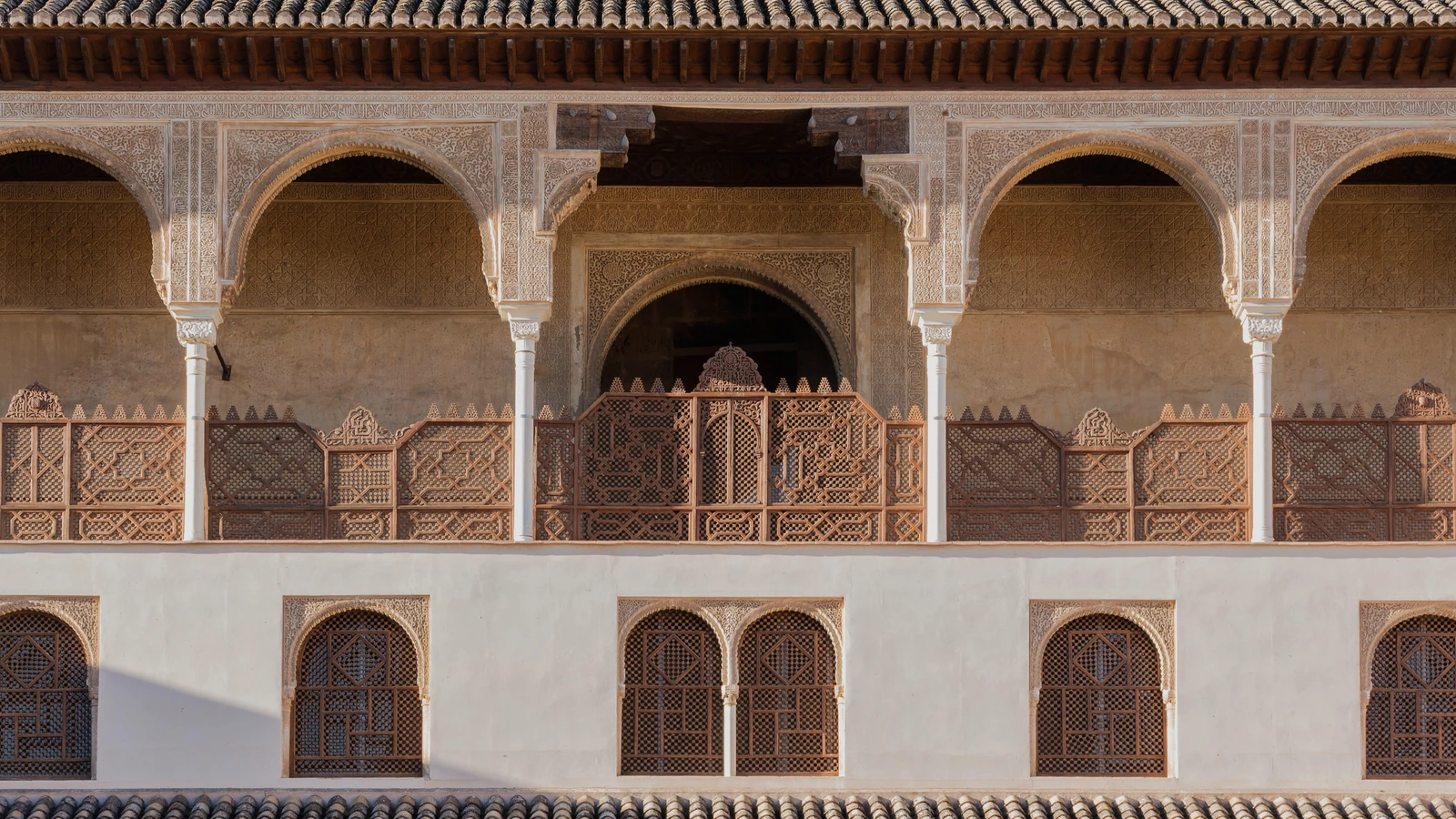
Few chapters in Islamic history capture the imagination quite like Al-Andalus — the Muslim-ruled territories of the Iberian Peninsula that flourished for nearly eight centuries. From the early 8th century until the fall of Granada in 1492, Al-Andalus became a meeting point of cultures, languages and ideas, leaving behind a legacy that still shapes Spanish architecture, vocabulary and scholarship today. This guide offers a clear, encyclopedic overview of how Islamic civilization took root in Europe and what it left behind.
How Al-Andalus Began
Muslim presence in the Iberian Peninsula began in the early 8th century, when forces crossed from North Africa into what is now Spain and Portugal. Over the following decades, the territory came under the rule of the Umayyad dynasty, which established its capital in Cordoba. Under Umayyad rule and the later Caliphate of Cordoba, the city grew into one of the largest and most sophisticated urban centers in the world at the time.
The Golden Age of Cordoba
By the 10th century, Cordoba was renowned across Europe and the Islamic world for its libraries, public baths, paved streets and running water — infrastructure that was rare in much of Europe during the same period. Scholars of different faiths worked within the same intellectual environment, translating and building upon Greek, Persian and Indian knowledge in medicine, mathematics, astronomy and philosophy.
Centers of Learning and Culture
Al-Andalus was not limited to Cordoba. Cities such as Seville, Granada, Toledo and Zaragoza each developed their own scholarly and artistic identities over time. Toledo, in particular, later became famous as a translation hub, where texts moved between Arabic, Hebrew and Latin, helping preserve and transmit classical knowledge to the rest of Europe.
- Science and medicine: Andalusian scholars contributed to fields ranging from surgery to optics and agronomy.
- Philosophy: Thinkers based in Al-Andalus engaged deeply with Aristotelian philosophy, shaping later European scholastic thought.
- Architecture: Intricate geometric patterns, horseshoe arches and courtyard gardens became hallmarks of Andalusian design.
The Alhambra and Andalusian Architecture
The Alhambra in Granada, built primarily during the Nasrid dynasty in the 13th and 14th centuries, remains the most visited monument in Spain and one of the finest surviving examples of Islamic palace architecture anywhere in the world. Its intricate muqarnas ceilings, reflecting pools and calligraphic inscriptions continue to draw millions of visitors each year, along with the Great Mosque of Cordoba and the Giralda tower in Seville.
Coexistence and Its Limits
Historians often describe periods of Al-Andalus as marked by relatively productive coexistence among Muslim, Christian and Jewish communities, particularly under stable rule. This should not be idealized as uniform or unbroken harmony — political fortunes shifted many times over eight centuries — but the shared intellectual environment of the era produced a body of scholarship and art that influenced Europe well beyond the region's borders.
The End of Muslim Rule
Muslim political authority in the Iberian Peninsula gradually contracted over centuries through the process historians call the Reconquista, culminating in the fall of the Emirate of Granada in 1492. While political rule ended, the architectural, linguistic and scholarly imprint of Al-Andalus remained embedded in Spanish and broader European culture — from thousands of Arabic-derived words in the Spanish language to agricultural techniques and irrigation systems still in use today.
Why Al-Andalus Still Matters
Al-Andalus stands as one of history's clearest examples of how Islamic civilization engaged with, preserved and transmitted knowledge across cultures and generations. Its libraries and translation movements helped keep classical scholarship alive during a period when much of it had been lost elsewhere in Europe, and its architecture continues to inspire designers and travelers worldwide.
At Reyhan Esans, this same spirit of craftsmanship and heritage — passed carefully from one generation to the next — is something we try to honor in our own work, producing oud, amber and musk fragrances rooted in traditional methods refined over decades.
Frequently Asked Questions
What was Al-Andalus?
Al-Andalus was the name given to the parts of the Iberian Peninsula under Muslim rule, beginning in the early 8th century and continuing in various forms for nearly eight centuries.
What is Al-Andalus best known for?
It is remembered for contributions to science, medicine, astronomy, philosophy and architecture, along with periods of coexistence among Muslim, Christian and Jewish communities, especially in cities like Cordoba, Granada and Seville.
What happened to Muslim rule in Spain?
Muslim political rule gradually receded over centuries through the Reconquista, ending with the fall of Granada in 1492, though the cultural legacy of Al-Andalus remains visible today.
Can you still see Islamic architecture in Spain today?
Yes. Landmarks such as the Alhambra in Granada, the Great Mosque of Cordoba, and the Giralda in Seville remain among the most visited monuments in Spain.
Curious how heritage and craftsmanship connect to fragrance today? Read more in our guides on what makes oud so valuable and the history of Mecca and Medina.
With over 35 years of experience in fragrance craftsmanship, we share encyclopedic, well-researched content on Islamic history and culture alongside our alcohol-free oud, musk and amber collections. Reach us anytime via WhatsApp.
Sources & note: This overview reflects widely accepted historical scholarship on Al-Andalus. Dates and events are presented at a general, encyclopedic level; for deeper academic study, consult specialized historical references.
Premium roll-on perfumes, prayer beads, ihram & Hajj-Umrah essentials — since 1991.
Browse the shop →Get 10% off your first order — coupon code: ILK10