
Fragrance in Sufi Tradition: Scent, Incense & Gatherings
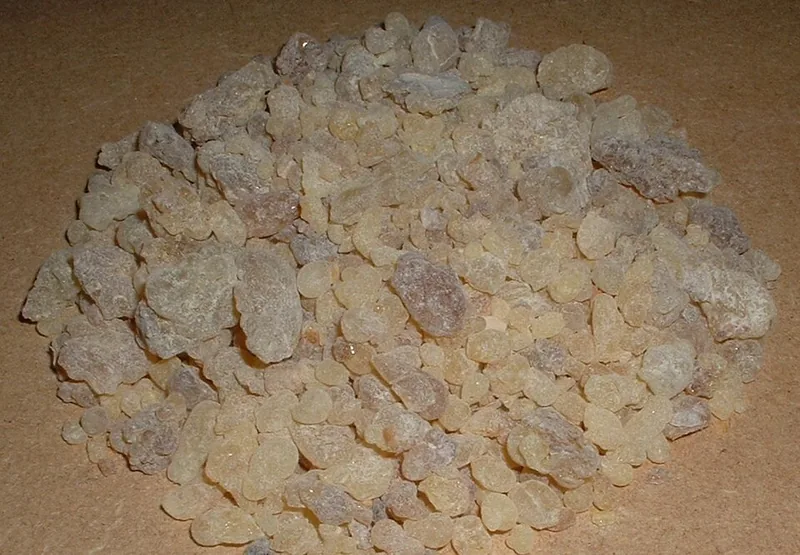
Anyone who has read historical accounts of Sufi lodges, dhikr gatherings or the shrines of revered scholars will notice a recurring detail: the presence of fragrance — burning incense, scented rosewater, or oil-based perfume applied before a gathering. This is not incidental. Pleasant scent occupies a meaningful place across Islamic culture generally, and this carried naturally into the atmosphere of Sufi spiritual life.
Good Scent in the Broader Islamic Tradition
Across Islamic teaching and cultural practice, cleanliness and pleasant scent are widely valued, particularly before communal worship such as the Friday prayer, and on festive or significant occasions. This general cultural and religious emphasis on good scent — rather than any belief unique to a specific tariqa — is what underlies the historical association between fragrance and Sufi gatherings, lodges and shrines.
Incense in Communal Spaces
Burning incense — historically oud wood (agarwood), resin-based bakhoor blends, or other aromatic materials — has long been a feature of hospitality and gathering spaces across the Muslim world, from private homes to mosques and Sufi lodges (tekke, zawiya, khanqah). The purpose was, and remains, largely practical and social: creating a clean, welcoming and dignified atmosphere for guests and worshippers.
Fragrance and Dhikr Gatherings
Historical accounts of dhikr sessions and lodge visits frequently mention attention to personal presentation — clean clothing and pleasant scent — as part of the broader etiquette (adab) surrounding communal worship. This reflects the same values found more generally in Islamic teaching about dressing and presenting oneself respectfully for prayer and gatherings, rather than a practice specific to any one order.
- Personal fragrance: a light, oil-based scent applied before attending a gathering, in keeping with broader Islamic custom.
- Environmental incense: burning oud or bakhoor in the gathering space itself.
- Rosewater: sometimes used to freshen hands or spaces, particularly at religious sites and shrines.
Why Alcohol-Free, Oil-Based Fragrance Fits This Tradition
Traditional Islamic perfumery has historically favored oil-based, alcohol-free scent — a practical fit for prayer contexts and everyday religious life, and long predating the modern alcohol-based perfume industry. Oud, musk, amber and rosewater remain among the most recognized notes in this tradition, valued for their depth, longevity and cultural familiarity across generations.
A Living Cultural Thread
Today, the association between fragrance, cleanliness and spiritual gatherings remains visible across the Muslim world — from the ritual use of incense in mosques and shrines to the simple, widespread habit of applying a pleasant scent before Friday prayer. This is best understood as a broad Islamic cultural value rather than a teaching specific to Sufism, even though it is especially visible in the historical record of Sufi lodges and gatherings.
Frequently Asked Questions
Why is incense used at Sufi gatherings?
Incense, such as bakhoor or oud wood, is traditionally burned at gatherings across the Muslim world, including Sufi lodges, to create a pleasant, dignified atmosphere for worship and hospitality, reflecting the broader Islamic emphasis on good scent.
Is wearing fragrance connected to Islamic practice generally?
Yes. Good scent is widely encouraged in Islamic practice, particularly for Friday prayers and communal gatherings, and this cultural value naturally extended into the etiquette (adab) observed at Sufi dhikr sessions and lodge visits.
What scents were historically associated with Sufi lodges?
Historical accounts commonly mention oud (agarwood), musk and rosewater as scents associated with religious and spiritual spaces across the Islamic world, including Sufi lodges, though specific customs varied by region and era.
Is alcohol-free fragrance preferred in these traditions?
Oil-based, alcohol-free fragrance has long been the traditional form of perfume across the Islamic world, valued for its compatibility with prayer and its long-lasting, skin-friendly character.
Explore our full range of alcohol-free oud, musk and amber fragrances, or read more in our guides on how to burn bakhoor incense and the Mevlevi order and the Sema ceremony.
With 35 years of experience producing alcohol-free oud, musk and amber fragrances, we also share educational content on the cultural role of scent across Islamic tradition. Reach us on WhatsApp for any questions.
Sources & references: This article presents widely-accepted, general cultural and historical information about fragrance in Islamic and Sufi tradition, avoiding disputed or unverifiable claims.
Premium roll-on perfumes, prayer beads, ihram & Hajj-Umrah essentials — since 1991.
Browse the shop →Get 10% off your first order — coupon code: ILK10