
How to Burn Bakhoor Incense the Right Way
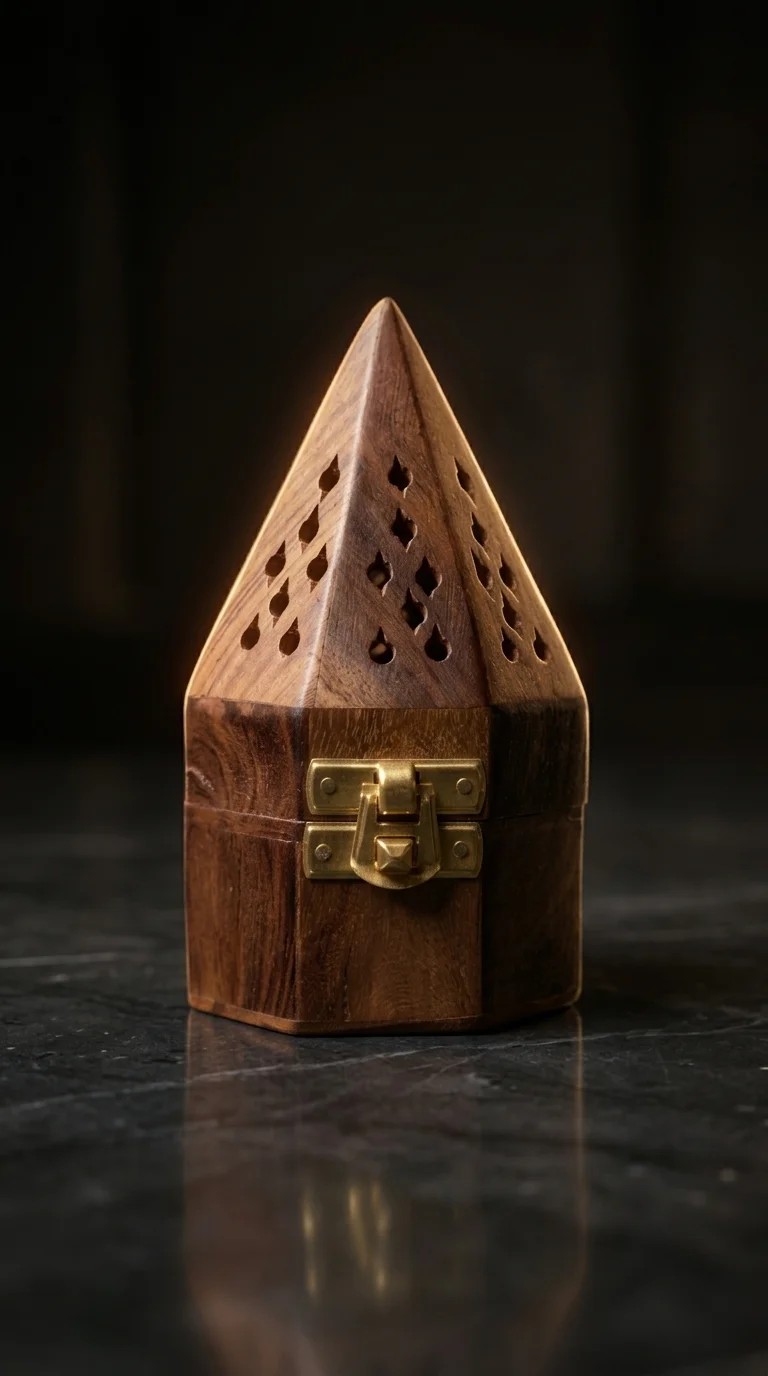
Walk into a home, mosque or majlis anywhere from Istanbul to the Gulf, and you may catch the rich, smoky scent of burning bakhoor drifting through the air. This centuries-old incense tradition is more than a pleasant smell — it is a ritual of hospitality, celebration and spiritual atmosphere. This guide explains what bakhoor is, how to burn it correctly and safely, and why it remains such a beloved part of Islamic scent culture.
What Is Bakhoor?
Bakhoor (also spelled bukhoor) is fragrant wood — most commonly agarwood, known as oud — that has been soaked in aromatic oils, resins and sometimes musk or amber, then dried and compressed into small chips or blocks. When gently heated (not directly set alight), bakhoor releases a deep, smoky, resinous fragrance that fills a room far more intensely and lastingly than a spray perfume ever could.
Bakhoor and Islamic Tradition
Burning fragrant wood has roots that trace back to the early Islamic period, where traditions describe pleasant-smelling smoke being used in homes and gatherings. Over centuries, this evolved into the modern bakhoor culture found today — a central part of hospitality customs, especially for welcoming guests, celebrating Eid, weddings and other significant occasions.
Step-by-Step: How to Burn Bakhoor
- Prepare your burner (mabkhara): use a heat-safe incense burner, ideally ceramic, brass or stone.
- Light a charcoal disc: hold it with tongs over a flame until it catches and starts to glow red with a light coating of ash — this usually takes 1-2 minutes.
- Place the charcoal in the burner: let it settle for another minute so the heat becomes steady, not a direct flame.
- Add a small piece of bakhoor: place it directly on top of the glowing charcoal. It should smoke gently, not catch fire.
- Let the fragrance fill the room: open a window slightly for ventilation and enjoy the scent for 20-40 minutes per piece.
Safety Tips
- Always use a heat-resistant burner placed on a stable, non-flammable surface.
- Never leave burning bakhoor unattended, especially around children or pets.
- Ensure adequate ventilation — a cracked window or open door is usually enough.
- Let the charcoal fully cool before disposal.
Choosing Quality Bakhoor
| Type | Character | Best For |
|---|---|---|
| Oud-based bakhoor | Deep, smoky, woody | Evening gatherings, special occasions |
| Musk-blended bakhoor | Warm, soft, powdery smoke | Daily home use |
| Rose-infused bakhoor | Floral, sweet undertone | Guest hospitality |
| Cone / stick incense | Lighter, no charcoal needed | Quick, everyday freshening |
At Reyhan Esans, our bakhoor and incense collection includes both traditional charcoal-burned pieces and easy-to-use incense sticks and cones, alongside dedicated burners in pyramid and hexagon designs — everything you need to bring this timeless tradition into your home.
Frequently Asked Questions
What is bakhoor?
Bakhoor (also spelled bukhoor) refers to wood chips, often agarwood (oud), soaked in fragrant oils and compressed, which release a rich smoky scent when burned. It is a long-standing tradition in the Arabian Peninsula and wider Islamic world.
How do I burn bakhoor at home?
Place a piece of charcoal in a heat-safe burner (mabkhara), light it until it glows red and develops a layer of ash, then place a small piece of bakhoor on top. The heat releases the fragrant smoke gradually without directly burning the wood.
Is burning incense mentioned in Islamic tradition?
Yes, traditions describe fragrant wood being burned in gatherings and homes during the early Islamic period, and the practice has continued as a cultural and hospitality custom across the Muslim world, especially for guests and special occasions.
How long does bakhoor scent last in a room?
A single burning session typically scents a room for several hours, and the fragrance can linger on fabrics and curtains for days depending on ventilation and room size.
Continue reading: what is oud and why is it so expensive and the Prophet's favorite scents.
We produce and curate traditional bakhoor, incense sticks and burners rooted in Islamic hospitality culture. Reach us on WhatsApp for any questions.
Sources & references: Historical and cultural context reflects widely documented Middle Eastern and Islamic incense traditions; safety guidance follows general household incense-use best practices.
Premium roll-on perfumes, prayer beads, ihram & Hajj-Umrah essentials — since 1991.
Browse the shop →Get 10% off your first order — coupon code: ILK10