
How to Wear Ihram Correctly: A Step-by-Step Guide
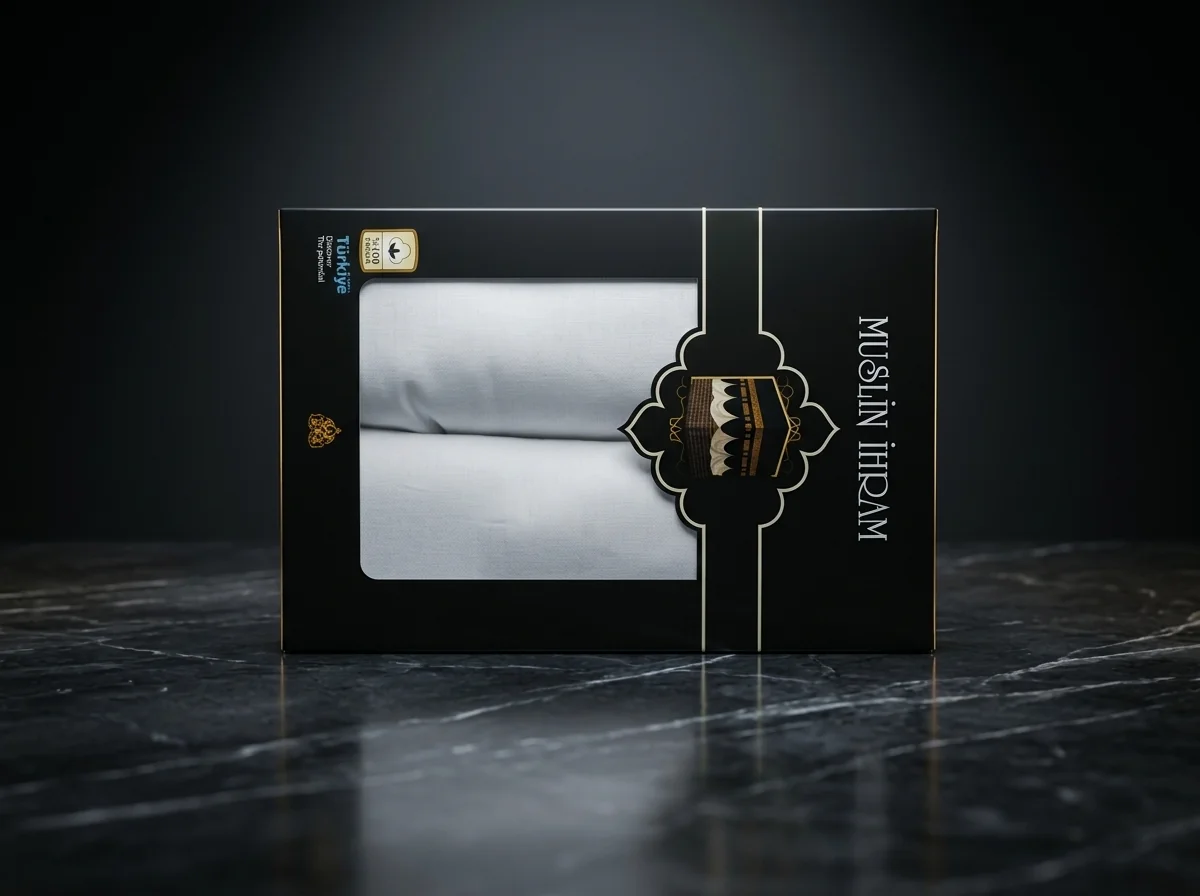
For first-time pilgrims, the simplicity of the Ihram garment — just two unstitched pieces of white cloth — can actually make it more confusing to wear correctly than a tailored outfit. This guide walks through choosing the right fabric, wrapping the lower piece, draping the upper piece, and the small details that make a real difference in comfort over long hours of worship.
What Ihram Is and Why Its Simplicity Matters
Ihram is the simple white garment worn by male pilgrims during Hajj and Umrah, consisting of two unstitched pieces of cloth: the Izar (lower wrap) and the Rida (upper drape). Its deliberate plainness removes all markers of wealth, status or nationality — every pilgrim, regardless of background, stands before Allah dressed identically. Women wear their own modest, plain everyday clothing rather than this specific two-piece garment, generally without additional restrictions on color beyond modesty.
Choosing the Right Fabric
Ihram cloth is commonly available in cotton, bamboo-blend, or muslin fabric, and the right choice depends largely on climate and personal comfort:
| Fabric | Characteristics |
|---|---|
| 100% Cotton | Breathable, absorbent, classic choice, holds shape well |
| Bamboo-blend | Very soft, naturally moisture-wicking, good for hot conditions |
| Muslin | Lightweight, airy, ideal for extreme heat, less bulky to pack |
Step-by-Step: Wearing the Lower Piece (Izar)
- Hold the cloth horizontally and wrap it around your waist, starting from the navel and extending to below the knee.
- Overlap the front edges generously so the wrap won't loosen during walking, bending, or Tawaf.
- Fold the top edge over once or twice to create a secure waistband, then tuck or tie it firmly — many pilgrims use a dedicated Ihram belt (a simple elastic or drawstring pouch belt) for extra security and to hold small items like a phone or ID.
- Adjust the length so it comfortably covers the knee without dragging on the ground, which helps prevent tripping during long walks.
Step-by-Step: Wearing the Upper Piece (Rida)
- Drape the cloth over both shoulders like a shawl for general wear, prayer, and travel.
- During Tawaf (circling the Kaaba), many men perform Idtiba: pass the cloth under the right armpit and over the left shoulder, leaving the right shoulder uncovered — a practice associated specifically with Tawaf.
- Outside of Tawaf, return to covering both shoulders normally, especially for prayer.
- Keep the cloth loose enough to move freely, since it is not pinned or stitched in place.
Common Mistakes to Avoid
- Wrapping the lower cloth too loosely, causing it to slip during movement — always double-check the waistband before starting Tawaf or Sa'i.
- Choosing fabric that's too heavy for the climate, leading to discomfort in Mecca's heat.
- Forgetting that shoes must leave the ankle bones exposed — sandals are the standard choice, not closed shoes.
- Applying new fragrance after entering the state of Ihram — fragrance should be applied generously before, not during.
At Reyhan Esans, our Ihram sets come in cotton, bamboo and muslin options, along with matching accessories like Ihram belts, bags and unscented soap, so first-time and experienced pilgrims alike can prepare with confidence.
Frequently Asked Questions
What is Ihram made of?
For men, Ihram consists of two simple, unstitched pieces of white cloth — commonly cotton, bamboo-blend or muslin fabric — one wrapped around the waist and one draped over the shoulder. Women generally wear their own modest, plain clothing rather than a specific two-piece garment.
How do I wrap the waist piece (Izar) correctly?
Wrap the lower cloth around your waist from navel to below the knee, fold the edges to secure it, and tie or tuck it firmly, often with an Ihram belt or the fabric's own ends, so it stays in place during movement.
How should the upper piece (Rida) be worn?
The upper cloth is draped over the shoulders. During Tawaf, men typically perform Idtiba — passing the cloth under the right arm and over the left shoulder, leaving the right shoulder bare — while at other times both shoulders are usually covered.
What should I avoid while wearing Ihram?
Avoid stitched or fitted clothing, covering the head (for men), wearing shoes that cover the ankle bones, applying new fragrance, cutting hair or nails, and other restrictions specific to the state of Ihram — consult your Hajj/Umrah guide for the complete list.
For your complete packing list, see our guides on Hajj & Umrah bag fragrance essentials and miswak and its Sunnah benefits.
We prepare complete Ihram sets in cotton, bamboo and muslin, with matching accessories. Reach us on WhatsApp for personalized advice before your journey.
Sources & references: General guidance reflects widely accepted teachings on Ihram garments and Hajj/Umrah practice; provided for general informational purposes and not a formal religious ruling (fatwa). Please consult your Hajj/Umrah agency or a qualified religious scholar for specific rulings, as some details vary by school of thought.
Premium roll-on perfumes, prayer beads, ihram & Hajj-Umrah essentials — since 1991.
Browse the shop →Get 10% off your first order — coupon code: ILK10