
The History of Islam in China: A Thousand-Year Heritage
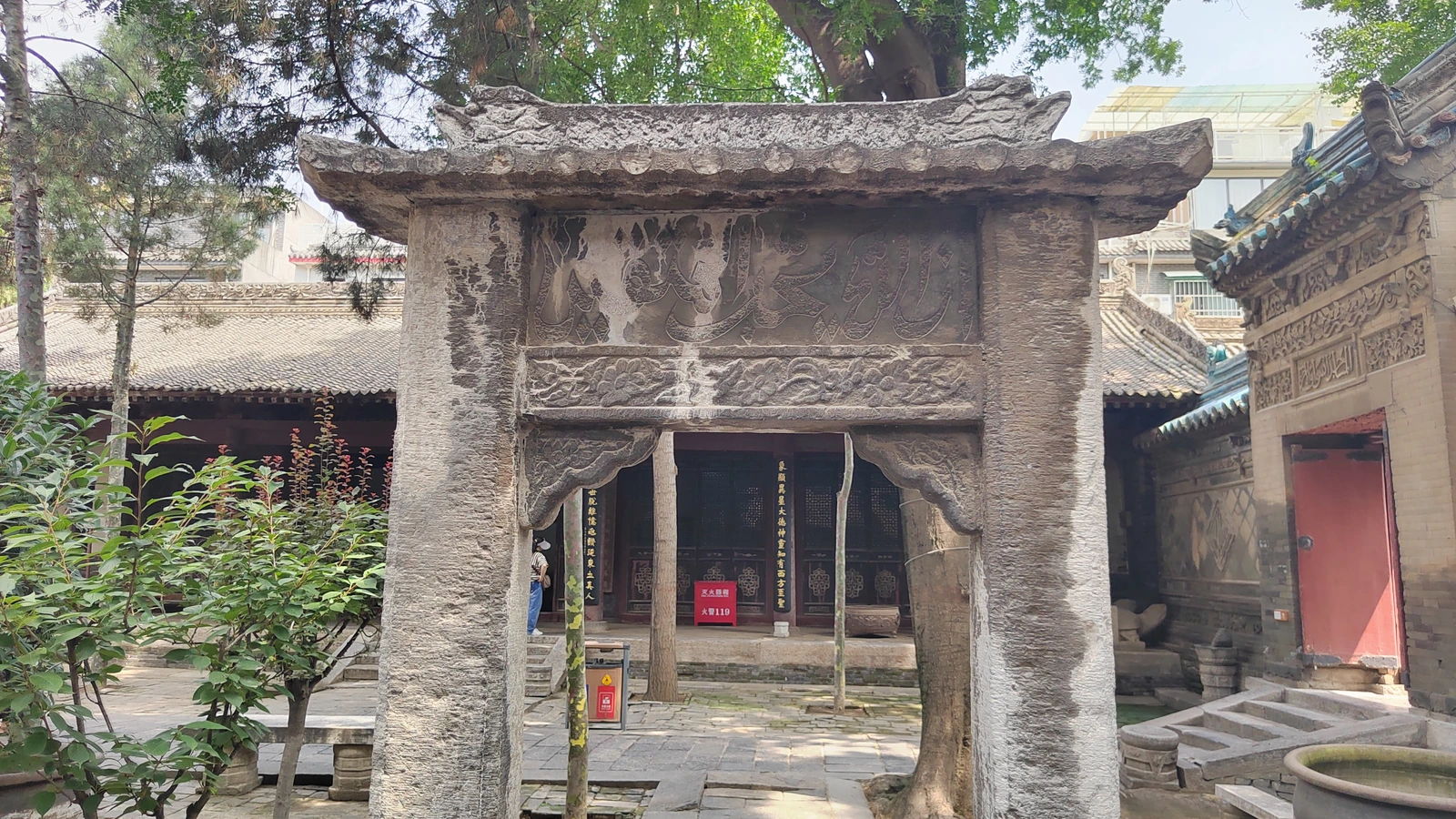
Islam's presence in China dates back over a thousand years, making it one of the longest continuous religious and cultural traditions of any Muslim community outside the Middle East and Central Asia. From early Silk Road trade to distinctive mosque architecture that blends Chinese and Islamic design, the history of Islam in China offers a fascinating example of how faith can take root and flourish within a vastly different cultural context.
Early Arrival Through Trade
Islam is traditionally understood to have reached China as early as the 7th century, carried by Muslim merchants traveling both the overland Silk Road and maritime trade routes connecting the Arabian Peninsula and Persia to Chinese port cities such as Guangzhou (historically known as Canton). These early trading communities gradually settled, intermarried with local populations, and formed the foundation of China's oldest Muslim communities.
The Great Mosque of Xi'an
Among the most remarkable symbols of this early heritage is the Great Mosque of Xi'an, one of the oldest and best-preserved mosques in China. Rather than following the domed, Middle Eastern architectural style familiar in much of the Islamic world, the mosque is built in traditional Chinese architectural form — featuring courtyards, pagoda-style towers, and wooden construction techniques — while still serving its function as an active place of Islamic worship.
The Hui and Uyghur Muslim Communities
China is home to several officially recognized Muslim ethnic groups. The Hui people, descended largely from early Muslim traders and settlers, are known for closely blending Islamic religious practice with Chinese language and cultural customs. The Uyghur people, concentrated primarily in the Xinjiang region of northwestern China, maintain a distinct Turkic language and cultural identity alongside their Islamic faith, with historical roots connected to Central Asian trade routes and the wider Silk Road network.
A Diverse Cultural Landscape
Beyond the Hui and Uyghur communities, China is also home to Kazakh, Kyrgyz, Tajik and other Muslim ethnic groups, each contributing their own distinct languages, customs and culinary traditions to the broader tapestry of Chinese Islamic culture. This diversity reflects China's historic position at the crossroads of multiple trade and migration routes over many centuries.
- Early trade routes: Silk Road and maritime connections brought Islam to China as early as the 7th century.
- Architectural heritage: Mosques like the Great Mosque of Xi'an blend Chinese and Islamic design.
- Diverse communities: Hui, Uyghur, Kazakh and other groups each carry distinct cultural expressions of Islam.
A Living Heritage
Today, China is home to millions of Muslims, representing one of the world's oldest continuously practiced Islamic traditions outside the historic Muslim heartlands. This overview focuses specifically on the historical, cultural and architectural heritage of Islam in China — a story of trade, faith and cultural exchange spanning well over a thousand years.
The aromatic materials historically traded along these same Silk Road routes, including musk and incense, remain central to fragrance traditions across the Muslim world. At Reyhan Esans, we continue this legacy through our natural musk and oud collections, produced with the same appreciation for quality that once defined these ancient trading networks.
Frequently Asked Questions
When did Islam first reach China?
Islam is traditionally understood to have reached China as early as the 7th century, brought by Muslim merchants traveling the Silk Road and maritime trade routes.
Who are the Hui people?
The Hui are one of China's officially recognized ethnic groups, descended largely from early Muslim traders and settlers who intermarried with local populations over centuries.
What does Chinese Islamic mosque architecture look like?
Many historic mosques in China, such as the Great Mosque of Xi'an, combine traditional Chinese architectural elements with Islamic religious function, creating a distinctive regional style.
How large is China's Muslim population?
China is home to millions of Muslims across various ethnic groups, including the Hui, Uyghur, Kazakh and others, representing over a thousand years of continuous history.
Continue exploring with our guides on the Silk Road and Islam and the global Muslim population today.
With over 35 years of experience, we share carefully researched, historically focused content on Muslim communities worldwide alongside our natural musk and oud fragrance collections. Reach us anytime via WhatsApp.
Sources & note: This overview is strictly historical and cultural, focused on trade, architecture and heritage. It reflects widely accepted historical scholarship and does not address contemporary political matters, which fall outside the scope of this guide.
Premium roll-on perfumes, prayer beads, ihram & Hajj-Umrah essentials — since 1991.
Browse the shop →Get 10% off your first order — coupon code: ILK10