
The Silk Road and Islam: How Trade Carried a Faith
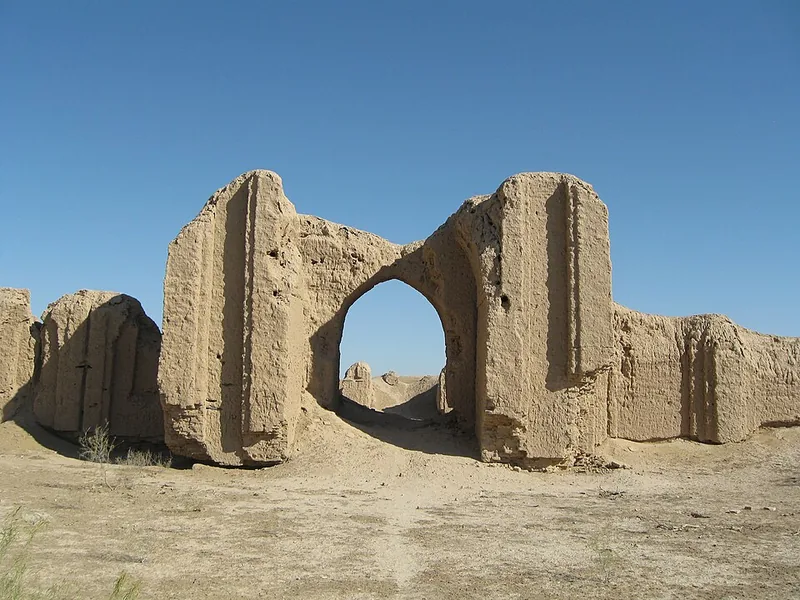
Long before modern globalization, the Silk Road connected civilizations across three continents — carrying not only silk, spices and precious stones, but also religions, philosophies and scientific knowledge. Among the many belief systems that traveled these ancient routes, Islam's expansion into Central Asia and beyond owes much to the merchants, scholars and travelers who moved along the Silk Road over many centuries.
What Was the Silk Road?
The Silk Road was not a single road but a vast network of overland and maritime trade routes linking China, Central Asia, Persia, the Arabian Peninsula and Europe. Established over centuries and used well before the rise of Islam, the network took on new significance in the Islamic era, as Muslim traders and travelers became some of its most active participants.
Trade as a Vehicle for Faith
As Muslim merchants traveled these routes for commerce, they carried their faith and practices with them — establishing small communities, mosques and eventually centers of Islamic learning in the trading cities they passed through and settled in. Over generations, this steady, peaceful presence helped Islam take root across Central Asia, reaching communities that had no direct contact with the Arabian heartland of the faith.
Fragrant Goods of the Silk Road
Among the many goods that moved along these routes, aromatic materials held a special place. Musk, sourced from Central Asia and the Himalayan region, and oud (agarwood), prized for its rich, resinous scent, were among the most valuable commodities traded — often worth more by weight than silk itself. These fragrant goods were used in incense, perfumery and religious practice, and their trade helped connect distant Muslim communities through a shared appreciation for fine scent.
- Musk: A prized fragrance material traded from Central Asia across the Islamic world.
- Oud (agarwood): Burned as incense and used in oil form, treasured for its depth and rarity.
- Spices and textiles: Traveled alongside fragrant goods, connecting distant economies.
Cities Born of the Silk Road
Cities such as Bukhara, Samarkand, Kashgar and Xi'an owe much of their historic prominence to their position along Silk Road trade routes. As centers of commerce, they naturally became centers of cultural and religious exchange, where Islamic scholarship flourished alongside bustling markets trading in silk, spices and aromatic goods.
A Legacy That Still Resonates
The Silk Road's influence on the spread of Islam illustrates a broader historical pattern: faith often spread not through force, but through the everyday relationships built between traders, travelers and the communities they encountered along their journeys. This same appreciation for rare, well-sourced aromatic materials — oud, musk and amber — carried along ancient trade routes continues to shape fragrance culture across the Muslim world today.
At Reyhan Esans, we honor this heritage directly, sourcing natural oud, musk and amber with the same respect for quality and tradition that defined these historic trade networks.
Frequently Asked Questions
What was the Silk Road?
The Silk Road was a network of overland and maritime trade routes connecting East Asia, Central Asia, the Middle East and Europe, facilitating the exchange of goods, ideas and religions for over a thousand years.
How did the Silk Road help spread Islam?
Muslim merchants, scholars and travelers moved along Silk Road routes, establishing communities and centers of learning in the cities they passed through, gradually introducing Islam to Central Asia and beyond.
What goods traveled the Silk Road alongside faith?
Alongside silk, spices and textiles, aromatic goods such as musk, oud and incense were highly valued items of Silk Road trade.
Which cities became important due to Silk Road trade?
Cities such as Bukhara, Samarkand, Kashgar and Xi'an grew into major centers of trade, culture and Islamic scholarship due to their position along Silk Road routes.
Learn more in our guides on Bukhara and Samarkand's scholarly heritage and why oud is so highly prized.
With over 35 years of experience in oud, musk and amber craftsmanship, we honor the trading traditions of the Silk Road in every fragrance we produce. Reach us anytime via WhatsApp.
Sources & note: This overview reflects widely accepted historical scholarship on Silk Road trade and the spread of Islam. Details are presented at a general, encyclopedic level.
Premium roll-on perfumes, prayer beads, ihram & Hajj-Umrah essentials — since 1991.
Browse the shop →Get 10% off your first order — coupon code: ILK10