
History of the Kaaba and Masjid al-Haram
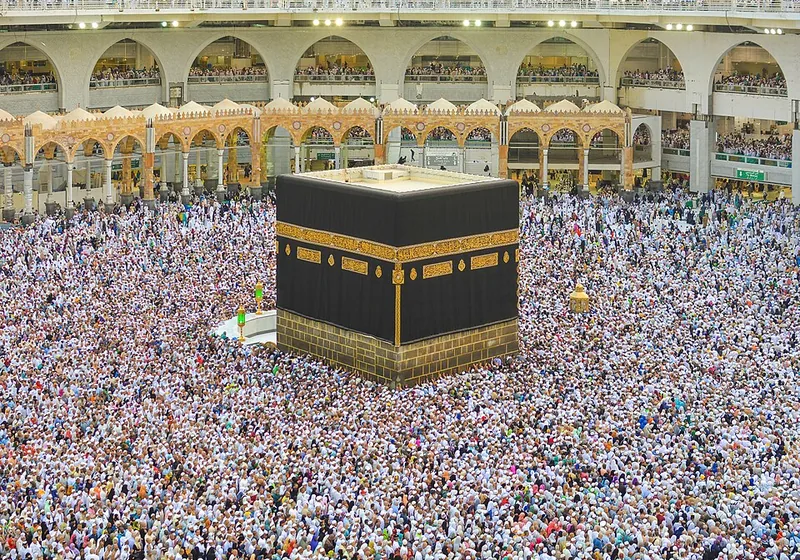
At the heart of Mecca stands the Kaaba, a modest cubic structure that anchors the daily prayers of over a billion Muslims worldwide. Its history stretches back long before the advent of Islam, and today it sits at the center of Masjid al-Haram, the largest mosque on earth. This guide explores its origins, significance and the sacred rituals that surround it.
The Origins of the Kaaba
Islamic tradition holds that the Kaaba was originally established as a house of worship dedicated to the one God, and that it was later rebuilt by the Prophet Abraham (Ibrahim) and his son Ismail, following divine instruction. Before the rise of Islam, Mecca was already a significant trading hub and site of pilgrimage in the Arabian Peninsula, though over time the Kaaba came to house numerous idols.
Rededication Under Islam
When the Prophet Muhammad and the early Muslim community peacefully returned to Mecca, the Kaaba was cleared of idols and rededicated to the worship of the one God — restoring, according to Islamic tradition, its original purpose. From that point on, it became the fixed qibla, the direction all Muslims face during prayer, no matter where in the world they are.
The Black Stone
Set into the eastern corner of the Kaaba is the Black Stone (al-Hajar al-Aswad). Pilgrims performing tawaf, the ritual circling of the Kaaba, traditionally touch or kiss the stone if possible, or simply point toward it while passing, following the example of the Prophet Muhammad. Its exact origin is described in various traditions, but its significance lies not in the stone itself, but in the act of following prophetic practice during worship.
Masjid al-Haram: The Grand Mosque
The Kaaba sits at the center of Masjid al-Haram ("The Sacred Mosque"), which has been expanded repeatedly over Islamic history to accommodate the growing number of pilgrims. Today, it is recognized as the largest mosque in the world, capable of holding vast numbers of worshippers simultaneously — especially during the annual Hajj pilgrimage.
Key Elements Within Masjid al-Haram
| Feature | Significance |
|---|---|
| The Kaaba | The central structure and qibla direction for all Muslim prayer |
| The Black Stone | Touched or acknowledged during tawaf, following prophetic tradition |
| Maqam Ibrahim | A stone associated with Abraham, near the Kaaba |
| Safa and Marwah | Two hills where pilgrims perform the ritual walk (sa'i) |
| Zamzam Well | A well within the mosque complex, its water drawn upon by pilgrims |
The Kaaba's Role in Hajj and Daily Life
Circling the Kaaba (tawaf) is a central rite of both Hajj and Umrah, and it is also performed by visitors at other times of the year. Beyond pilgrimage, the Kaaba's influence is felt daily by every practicing Muslim, who turns toward it in prayer five times a day regardless of their location on earth — a powerful expression of unity across a global community.
Preparing for a Visit
For those preparing to travel to Mecca for Hajj or Umrah, practical preparation matters alongside spiritual readiness. Comfortable, modest ihram clothing, a lightweight prayer setup, and a set of travel-friendly, alcohol-free fragrances that meet halal requirements while in ihram are common essentials pilgrims pack for the journey. At Reyhan Esans, our Hajj & Umrah collection is built with exactly this journey in mind.
Frequently Asked Questions
Who built the Kaaba?
Islamic tradition holds that the Kaaba was originally built as a place of worship dedicated to God, and that it was later rebuilt by the Prophet Abraham (Ibrahim) and his son Ismail.
What is the Black Stone?
The Black Stone is a stone set into a corner of the Kaaba. Pilgrims performing tawaf traditionally touch, kiss, or point toward it while circling the Kaaba, following a practice observed by the Prophet Muhammad.
What is Masjid al-Haram?
Masjid al-Haram is the vast mosque complex in Mecca that surrounds the Kaaba. It is the largest mosque in the world and the primary site for Hajj and Umrah rituals.
Why do Muslims face the Kaaba in prayer?
The Kaaba serves as the qibla, the fixed direction Muslims face during the five daily prayers, symbolizing the unity of the global Muslim community around a single sacred point.
Learn more about Masjid an-Nabawi in Medina and prepare with our Hajj & Umrah bag essentials guide.
With over 35 years of experience serving pilgrims, we share carefully researched content on Islamic history alongside our Hajj & Umrah essentials collection. Reach us anytime via WhatsApp.
Sources & note: This overview reflects widely accepted Islamic historical tradition and is presented at a general, encyclopedic level for informational purposes.
Premium roll-on perfumes, prayer beads, ihram & Hajj-Umrah essentials — since 1991.
Browse the shop →Get 10% off your first order — coupon code: ILK10