
Saudi Takke vs Mold Takke: What's the Difference?
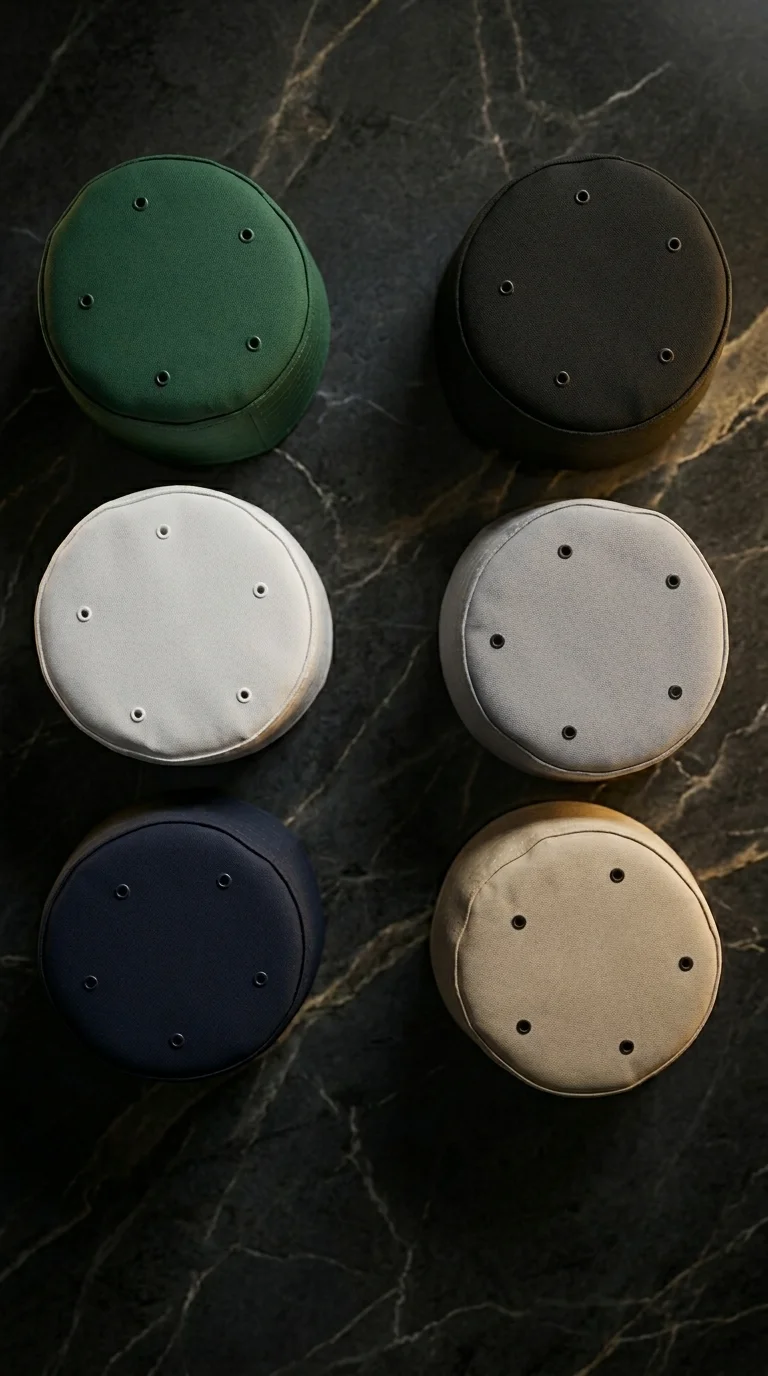
If you've shopped for a takke (the small cap many Muslim men wear, especially during prayer), you've likely come across two very different-looking options labeled "Saudi takke" and "mold takke" — sometimes causing confusion about which one to choose. This guide explains the real structural differences, how each is made, and which situations suit each style best.
What Makes a Saudi-Style Takke
The Saudi-style takke is generally a short, close-fitting cap, commonly crocheted or hand-knit with an open, breathable lattice pattern. It is soft, foldable, and collapses flat when not worn — you can fold it into a pocket or travel bag without damaging its shape. This style became closely associated with the Gulf region and is favored for its lightweight, breathable feel, particularly appreciated in warm climates or during long hours of worship.
Because it's constructed from soft yarn rather than a rigid frame, a Saudi-style takke naturally molds to the shape of the head, offering a snug, comfortable fit without pressure points.
What Makes a Mold (Kalıp) Takke
A mold takke, by contrast, is shaped over a rigid or semi-rigid internal structure during manufacturing — hence the name "mold" (kalıp). This gives it a fixed, structured dome shape that it holds even when set down on a table, rather than collapsing flat. Mold takkes are often made from firmer fabric, sometimes with decorative embroidery such as tughra (Ottoman calligraphic emblem) patterns, and tend to have a more tailored, formal appearance.
This structural rigidity makes mold takkes a popular choice for more formal occasions — Friday prayers, Eid gatherings, or as part of a coordinated formal outfit — where a crisp, defined shape is preferred over a soft, casual look.
Side-by-Side Comparison
| Feature | Saudi-Style Takke | Mold (Kalıp) Takke |
|---|---|---|
| Structure | Soft, knit/crochet, collapses flat | Rigid frame, holds dome shape |
| Breathability | High (open weave) | Moderate, depends on fabric |
| Best for | Daily wear, hot climates, travel | Formal occasions, structured look |
| Portability | Foldable, pocket-friendly | Keeps shape but less foldable |
| Common decoration | Lattice/openwork pattern | Embroidery, tughra motifs, solid colors |
Which One Should You Choose?
If comfort, breathability and everyday practicality are your priority — especially for long days or warm weather — a Saudi-style crocheted takke is usually the better fit. If you want a sharper, more formal look for special occasions, gifting, or a coordinated outfit, a mold takke's structured silhouette is worth the slightly firmer feel.
Many customers simply keep one of each: a soft Saudi-style takke for daily prayer and travel, and a mold takke reserved for Friday prayers and celebrations. At Reyhan Esans, our takke collection includes both styles in multiple colors and materials, from open-weave crochet to embroidered mold designs, so you can build exactly that kind of everyday-and-formal pairing.
Frequently Asked Questions
What is a Saudi-style takke?
A Saudi-style takke is typically a short, close-fitting cap, often crocheted or knit with an open lattice pattern, popularized by the style commonly worn in the Gulf region. It sits snugly and is usually lightweight and breathable.
What is a mold (kalıp) takke?
A mold takke is shaped over a rigid or semi-rigid form during production, giving it a fixed, structured dome shape that holds its form even when not being worn, unlike soft knit caps that collapse flat.
Which type of takke is more breathable?
Open-weave Saudi-style and crocheted takkes generally allow more airflow, making them a popular choice in hot climates or during long hours of prayer and daily wear.
Which takke holds its shape better over time?
Mold takkes, because of their structured base, tend to retain their dome shape better over repeated wear and washing compared to soft knit or fabric caps.
Planning a full pilgrimage or gift set? See our guides on Hajj & Umrah bag essentials and miswak and its Sunnah benefits.
We carry both Saudi-style and mold takkes in a range of colors and materials. Reach us on WhatsApp for sizing and style advice.
Sources & references: General product and textile knowledge on takke/skullcap construction styles; provided for general informational purposes.
Premium roll-on perfumes, prayer beads, ihram & Hajj-Umrah essentials — since 1991.
Browse the shop →Get 10% off your first order — coupon code: ILK10