
What Is Kuka Prayer Beads (Tesbih)? A Guide to the Material and Its Care
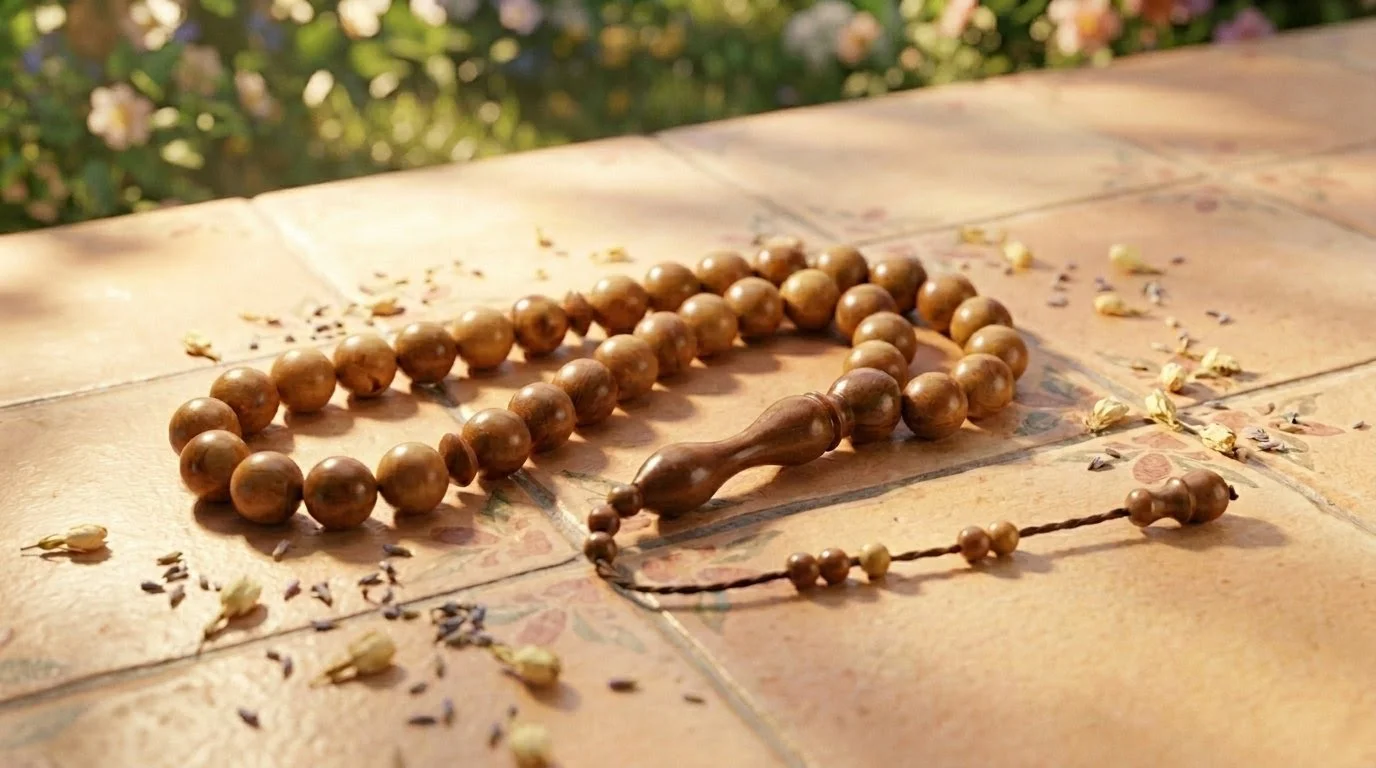
Among the many materials used for tesbih (Islamic prayer beads) — wood, stone, amber and plastic among them — kuka holds a special place for its natural origin, satisfying weight and distinctive sound. If you've seen "kuka tesbih" listed and wondered what sets it apart, this guide covers the material itself, why it's prized, and how to keep a kuka tesbih in good condition for years.
What Is Kuka?
Kuka is a natural seed material, harvested and dried from certain palm-related plants, then shaped, polished and strung into prayer beads. Unlike synthetic plastic beads, kuka is entirely organic — each bead carries subtle natural variation in grain and tone, meaning no two tesbih are ever perfectly identical, much like wood or stone.
This natural origin is part of its appeal: for many users, holding beads made from an actual organic material rather than mass-produced plastic adds a sense of authenticity and connection to the practice of dhikr (remembrance).
Why Kuka Is a Favored Material
Distinctive Sound
Kuka's dense structure produces a clear, resonant click when beads move against each other — a sound many practitioners find rhythmically satisfying and helpful for maintaining focus and count during dhikr.
Comfortable Weight
Kuka beads have a substantial, grounded weight in the hand — heavier than plastic, generally lighter than dense stone — striking a balance that many find comfortable for extended use.
Durability
Properly cared for, kuka is remarkably durable and can develop a smooth, worn patina with years of handling, similar to how natural wood beads age gracefully rather than degrading.
Natural, Non-Synthetic Appeal
For customers who prefer natural materials over plastic or resin across all their religious items — much as they might prefer natural fragrance oils over synthetic alcohol sprays — kuka fits that same philosophy.
Common Kuka Tesbih Sizes
| Bead Count | Typical Use |
|---|---|
| 33 | Compact, everyday carry, pocket-friendly |
| 99 | Most traditional full-cycle count |
| 100 / 500 / 1000 | Larger decorative or ceremonial pieces, often displayed |
How to Care for a Kuka Tesbih
- Avoid prolonged exposure to direct sunlight or high heat, which can dry and crack the beads over time.
- Keep away from excess moisture; wipe dry promptly if it gets wet.
- Wipe gently with a soft, dry cloth after regular use to remove oils and dust.
- Occasionally apply a very small amount of natural oil to the beads to prevent drying, similar to caring for wooden furniture.
- Store in a fabric pouch or box rather than loose in a bag, to avoid scratching against harder objects.
At Reyhan Esans, our kuka tesbih collection spans 33, 99, 100 and larger decorative counts, in natural finishes and with silver-accented craftsmanship for those seeking a more refined piece.
Frequently Asked Questions
What is kuka made from?
Kuka refers to a natural seed material, typically sourced from certain palm-related plants, that is dried, shaped and polished into beads. It is valued as a natural alternative to plastic or synthetic beads.
Why do kuka tesbih beads click loudly?
Kuka's dense, hard structure gives it a distinctive, resonant click when beads knock together during dhikr, which many users find satisfying and traditional compared to the duller sound of lighter materials.
How many beads does a tesbih typically have?
The most common counts are 33, 99 and 100, corresponding to common dhikr repetition cycles, though larger sizes exist for decorative or ceremonial use.
How do I care for a kuka tesbih?
Keep it away from excess moisture and direct prolonged sunlight, wipe with a soft dry cloth, and occasionally apply a small amount of natural oil to keep the beads from drying out and cracking over time.
Curious about proper dhikr etiquette with a tesbih? See our guide on dhikr and prayer bead etiquette, or explore the Sunnah of wearing fragrance.
We stock a wide range of kuka tesbih in various sizes and finishes. Message us on WhatsApp for personalized recommendations.
Sources & references: General material and craftsmanship knowledge on natural seed-based prayer bead materials; provided for general informational purposes.
Premium roll-on perfumes, prayer beads, ihram & Hajj-Umrah essentials — since 1991.
Browse the shop →Get 10% off your first order — coupon code: ILK10