
Dhikr and Prayer Bead Etiquette in Sufi Tradition
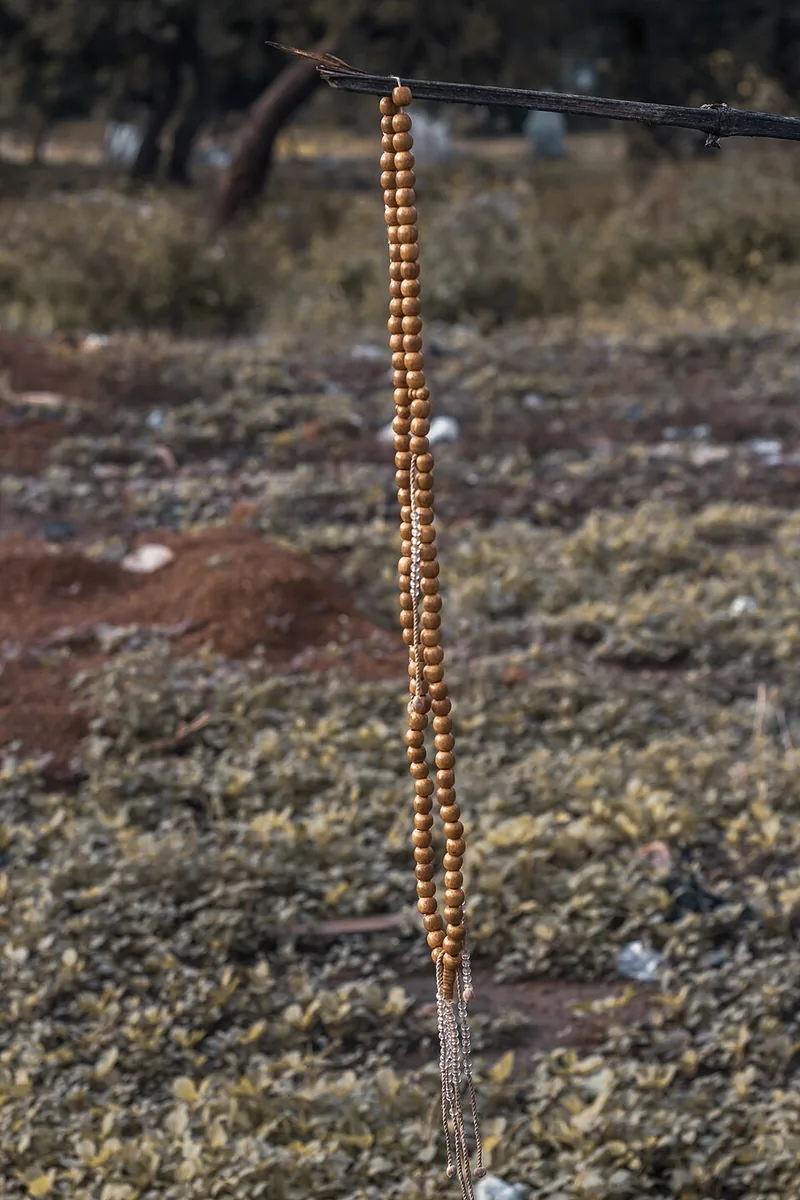
Across nearly every Sufi order and, more broadly, across everyday Muslim practice worldwide, prayer beads — known as tesbih in Turkish or misbaha in Arabic — serve a simple but important function: helping a person keep an accurate count during dhikr, the remembrance of God. This guide explains the history, common bead counts, materials and general etiquette associated with this small but meaningful object.
What Is Dhikr?
Dhikr refers to the repeated remembrance of God, typically through specific short phrases, His names, or particular formulas taught within a tradition. It can be performed silently, individually, aloud, or in a group setting, and is considered an important act of worship across the Muslim world. Within Sufi orders, dhikr often takes on a more structured, communal and repetitive form as part of formal spiritual training, though the underlying practice long predates any specific tariqa.
Why Prayer Beads Are Used
Counting is central to many dhikr formulas — a specific phrase repeated a set number of times, often 33, 99 or 100. Rather than relying on memory or finger-counting alone (also a traditional method), a string of beads offers a simple physical tool that keeps the mind focused on remembrance rather than counting.
Common Bead Counts and Their Meaning
| Count | Common Association |
|---|---|
| 33 | Used in sets of three (33 x 3 = 99) for post-prayer dhikr formulas |
| 99 | Often associated with the 99 names of God; completes a full dhikr cycle in one pass |
| 100 | A rounded count used in various regional traditions and longer dhikr sessions |
| 500 / 1000 | Extended strands used for longer, uninterrupted remembrance sessions |
Materials and Craftsmanship
Prayer beads have historically been made from a wide range of natural materials, each valued for different qualities:
- Kuka: a dense, richly grained tropical nut wood especially prized in Ottoman and Turkish craftsmanship for its weight, smooth feel and the way it develops a deeper patina with use over time.
- Various woods: lighter, more affordable options used widely across the Muslim world.
- Natural stone and amber: valued for their appearance and, in some traditions, additional symbolic or sentimental meaning.
- Pearl and other fine materials: used historically in more ornate or ceremonial pieces.
Istanbul in particular developed a distinguished tradition of prayer bead craftsmanship, with skilled artisans cutting, shaping and polishing kuka and other materials into precisely faceted or rounded beads — a craft still practiced today.
General Etiquette
While specific customs vary between individuals, families and communities, a few general points of etiquette are widely observed:
- Prayer beads are generally kept clean and handled with a degree of respect, reflecting their purpose as a tool for remembrance rather than mere decoration.
- Many people keep a personal set for regular daily use, sometimes gifted or passed down within a family.
- In group Sufi dhikr sessions, prayer beads may be used individually by each participant to keep pace with a collectively counted formula.
Frequently Asked Questions
Why do prayer beads commonly have 33 or 99 beads?
33-bead strands are typically used three times in sequence to reach 99, matching the traditional post-prayer dhikr of 33 repetitions each of specific phrases. 99-bead strands allow the full count to be completed in a single pass, often associated with the 99 names of God.
What materials are traditionally used for prayer beads?
Historically popular materials include kuka (a dense tropical nut wood prized for its weight and grain), various woods, natural stones, amber and pearl. Kuka prayer beads are especially associated with quality Istanbul craftsmanship.
Is using prayer beads for dhikr a Sufi-only practice?
No. Using beads to count dhikr is a widespread practice among Muslims generally, not limited to members of Sufi orders, though Sufi communities often use them extensively in structured group dhikr sessions.
Is there etiquette around handling prayer beads?
Many traditions encourage handling prayer beads respectfully, keeping them clean, and using them primarily for their intended purpose of remembrance rather than as mere ornamentation, though practices vary between individuals and communities.
If you are choosing your own set, our shop offers a range of genuine kuka prayer beads in various counts and cuts. You may also enjoy our guides on what Sufism and tariqa mean and the Qadiri tradition of vocal dhikr.
With 35 years of experience crafting genuine kuka prayer beads with Istanbul-cut precision, we also share educational content on the history and etiquette of Islamic remembrance practice. Reach us on WhatsApp for any questions.
Sources & references: This article presents widely-accepted, general information about dhikr and prayer bead traditions, avoiding disputed claims and any comparative or sectarian statements.
Premium roll-on perfumes, prayer beads, ihram & Hajj-Umrah essentials — since 1991.
Browse the shop →Get 10% off your first order — coupon code: ILK10