
What Is Sufism? Tariqa Meaning & Basic Concepts Explained
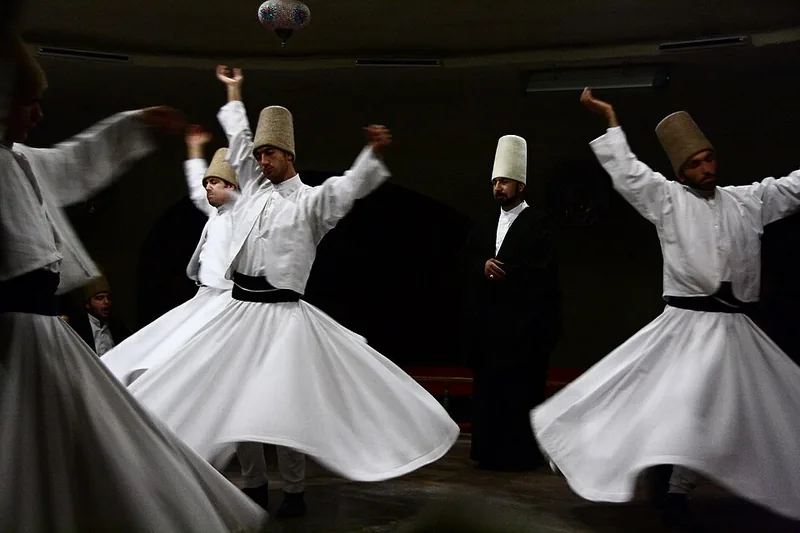
Search for "Sufism" or "tariqa" online and you will find everything from serious academic study to vague, sometimes inaccurate popular claims. This guide takes a step back and explains, in plain and neutral terms, what Sufism (tasawwuf) is, what a tariqa (Sufi order) actually is, and the core vocabulary you need to understand this vast and diverse tradition within Islam.
What Is Sufism (Tasawwuf)?
Sufism, known in Arabic as tasawwuf, refers broadly to the inner, spiritual and ethical dimension of Islamic practice — a tradition concerned with purifying the heart, cultivating sincerity in worship, and drawing closer to God through remembrance, discipline and character refinement. It developed alongside Islamic law (fiqh) and theology (kalam) as one of the major branches of the Islamic intellectual and spiritual tradition, rather than as something separate from it.
Sufism is not a single, unified movement. It is best understood as a broad current made up of many distinct schools of thought, teachers, texts and, eventually, organized orders — each with its own emphasis, geography and history.
Early Roots
The earliest expressions of what would later be called Sufism are generally traced to devout individuals in the first Islamic centuries who emphasized asceticism, humility and intense personal devotion. Over time, their teachings, practices and terminology were gradually systematized by later scholars, giving Sufism its recognizable vocabulary and structure.
What Is a Tariqa (Sufi Order)?
A tariqa (Arabic for "path" or "way") is an organized Sufi order — a structured community built around a particular teacher's method of spiritual training, usually formalized between roughly the 11th and 13th centuries CE as Sufism moved from individual mysticism toward institutional forms. Each tariqa typically has:
- A founding figure whose teachings define the order's core approach.
- A silsila — a chain of spiritual transmission linking each generation of teachers back through history.
- A sheikh (also called pir or murshid) who guides students (murids) at any given time.
- Specific practices, litanies and etiquette (adab) that distinguish it from other orders.
Common Vocabulary in Sufi Orders
| Term | Meaning |
|---|---|
| Tariqa | A Sufi order or spiritual path |
| Sheikh / Pir / Murshid | Spiritual guide or teacher |
| Murid | Student or follower on the path |
| Dhikr | Remembrance of God, often repeated phrases or names |
| Silsila | Chain of spiritual transmission between teachers |
| Tekke / Zawiya / Khanqah | A Sufi lodge or gathering place, terms used in different regions |
How Many Sufi Orders Are There?
Over the centuries, dozens of tariqas emerged across the Islamic world, many of them branching from a smaller number of major lineages. Some of the most historically prominent and widely studied orders include the Naqshbandi, Qadiri, Mevlevi (Mawlawi), Rifai, Shadhili and Khalwati orders — each associated with particular regions, practices and founding scholars. Later posts in this series look at several of these orders individually, in a neutral and historical manner.
Common Practices Across Orders
While each tariqa has its own distinct character, a number of practices recur across many orders:
- Dhikr: structured remembrance of God, sometimes silent, sometimes recited aloud, often using prayer beads to keep count.
- Regular gatherings: communal sessions for teaching, recitation and companionship.
- Adab (etiquette): a strong emphasis on respectful conduct toward teachers, fellow students and the practice itself.
- Attention to outward presentation: in many traditions, being clean, modestly dressed and pleasantly scented for gatherings and prayer is considered part of good adab, echoing the broader Islamic emphasis on cleanliness and good scent.
A Note on Approaching This Topic Respectfully
Sufi orders are diverse, and scholars, practitioners and communities hold a wide range of views about specific practices and teachings. This guide — and the rest of our series — aims to present historical, widely-accepted information in a neutral, encyclopedic tone, without ranking one order above another or making claims beyond well-documented history.
Frequently Asked Questions
What does the word tariqa mean?
Tariqa is an Arabic word meaning "path" or "way." In a Sufi context it refers to a structured spiritual path or order, usually organized around a teacher (sheikh) and a chain of transmission (silsila) tracing back through earlier teachers.
Is Sufism a separate religion?
No. Sufism (tasawwuf) is understood by its practitioners as the inner, spiritual dimension of Islam, not a separate religion or sect. Sufi orders exist within the broader framework of Islamic belief and practice.
What is a sheikh in a Sufi order?
A sheikh (or pir/murshid) is a spiritual guide within a tariqa who has been authorized, through a recognized chain of transmission, to teach and guide students (murids) along the path.
When did Sufi orders begin to form?
Organized Sufi orders as institutions began to take shape gradually between the 11th and 13th centuries CE, building on centuries of earlier individual ascetic and mystical practice within Islam.
Continue this series with our guides on dhikr and prayer bead etiquette and the role of fragrance in Sufi tradition.
We produce neutral, well-sourced educational content on Islamic heritage alongside our 35 years of experience crafting prayer beads, fragrances and Hajj & Umrah essentials. Reach us on WhatsApp for any questions.
Sources & references: This article presents widely-accepted, general historical information on Sufism and Sufi orders. It avoids disputed dates, unverifiable chains of transmission and any comparative or sectarian claims.
Premium roll-on perfumes, prayer beads, ihram & Hajj-Umrah essentials — since 1991.
Browse the shop →Get 10% off your first order — coupon code: ILK10