
The Significance of Masjid al-Aqsa in Islam
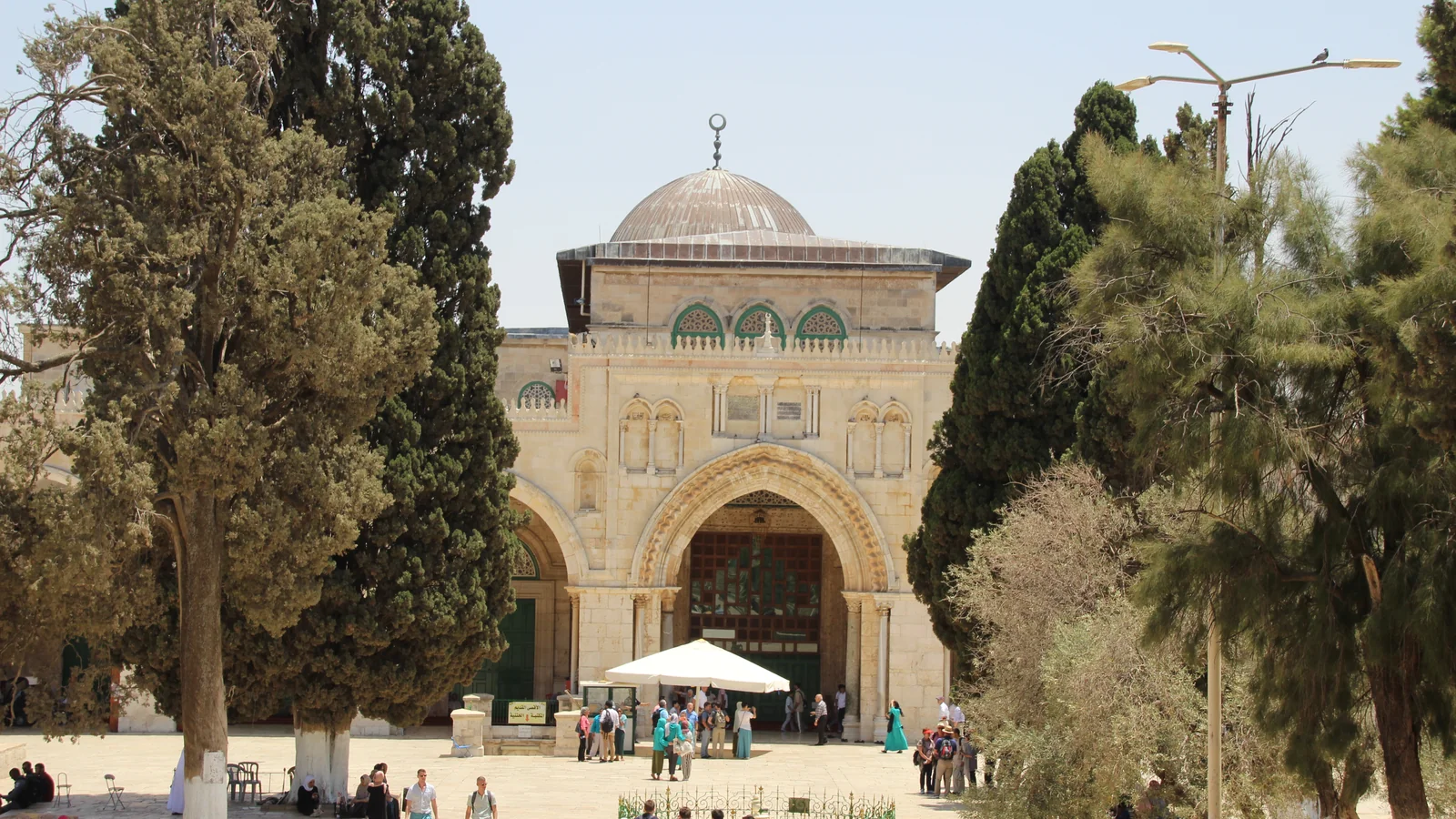
Among the three holiest sites in Islam, Masjid al-Aqsa in Jerusalem holds a place of deep religious and historical importance for Muslims worldwide. Its significance is rooted in Quranic reference, prophetic tradition, and its role as the very first direction of Islamic prayer. This article looks at its religious and historical meaning within Islamic tradition.
The Three Holiest Sites in Islam
Islamic tradition holds that only three mosques merit a special journey purely for the sake of visiting them: Masjid al-Haram in Mecca, Masjid an-Nabawi in Medina, and Masjid al-Aqsa in Jerusalem. This grouping, found in hadith literature, reflects the elevated spiritual status these three sites hold above all other mosques in the world.
The First Qibla
Before the direction of prayer (qibla) was changed to the Kaaba in Mecca, early Muslims — including the Prophet Muhammad — prayed facing Jerusalem, toward Masjid al-Aqsa. This change in direction, described in the Quran, is a significant moment in early Islamic history, and it is part of why Masjid al-Aqsa retains such deep symbolic importance even after the qibla shifted permanently to Mecca.
The Night Journey: Isra and Mi'raj
Masjid al-Aqsa is central to one of the most remarkable events described in Islamic tradition: the Isra and Mi'raj, or Night Journey. According to this tradition, the Prophet Muhammad was miraculously transported in a single night from Mecca to Jerusalem (the Isra), and from there ascended through the heavens (the Mi'raj). This event is understood by many scholars as connected to the establishment of the five daily prayers, and it remains one of the most spiritually significant episodes in the Prophet's biography.
Why This Journey Matters
The Night Journey underscores the deep connection between Mecca, Jerusalem and the heavens in Islamic belief — three points joined together in a single miraculous night. This is a core reason Masjid al-Aqsa continues to hold such reverence among Muslims, independent of any particular era or circumstance.
A Long History of Islamic Presence
Since the earliest centuries of Islam, Masjid al-Aqsa has been maintained, expanded and cared for as a site of continuous worship and pilgrimage, with contributions from numerous Islamic dynasties over the centuries who built, renovated and preserved its structures, including the distinctive Dome of the Rock within the same sacred compound.
Frequently Asked Questions
Why is Masjid al-Aqsa significant in Islam?
Masjid al-Aqsa is the third holiest site in Islam, was the first qibla (prayer direction) before it was changed to the Kaaba, and is associated with the Night Journey (Isra and Mi'raj) of the Prophet Muhammad.
What is the Night Journey (Isra and Mi'raj)?
The Isra and Mi'raj describes a miraculous night journey in which the Prophet Muhammad is described in Islamic tradition as having traveled from Mecca to Jerusalem and then ascended through the heavens.
What are the three holiest sites in Islam?
The three holiest sites in Islam are Masjid al-Haram in Mecca, Masjid an-Nabawi in Medina, and Masjid al-Aqsa in Jerusalem.
Was Masjid al-Aqsa the first qibla?
Yes. Early Muslims initially prayed facing Jerusalem before the direction of prayer (qibla) was changed to the Kaaba in Mecca, as described in the Quran.
Continue exploring Islamic sacred geography with our guides on the Kaaba and Masjid al-Haram and Masjid an-Nabawi in Medina.
With over 35 years of experience serving Muslim families, we share carefully researched content on Islamic history and heritage alongside our fragrance and prayer accessory collections. Reach us anytime via WhatsApp.
Sources & note: This overview focuses strictly on the religious and historical significance of Masjid al-Aqsa within Islamic tradition and does not address current political matters. It is presented at a general, encyclopedic level for informational purposes.
Premium roll-on perfumes, prayer beads, ihram & Hajj-Umrah essentials — since 1991.
Browse the shop →Get 10% off your first order — coupon code: ILK10