
Naqshbandi Order: History, Silsila & Core Practices
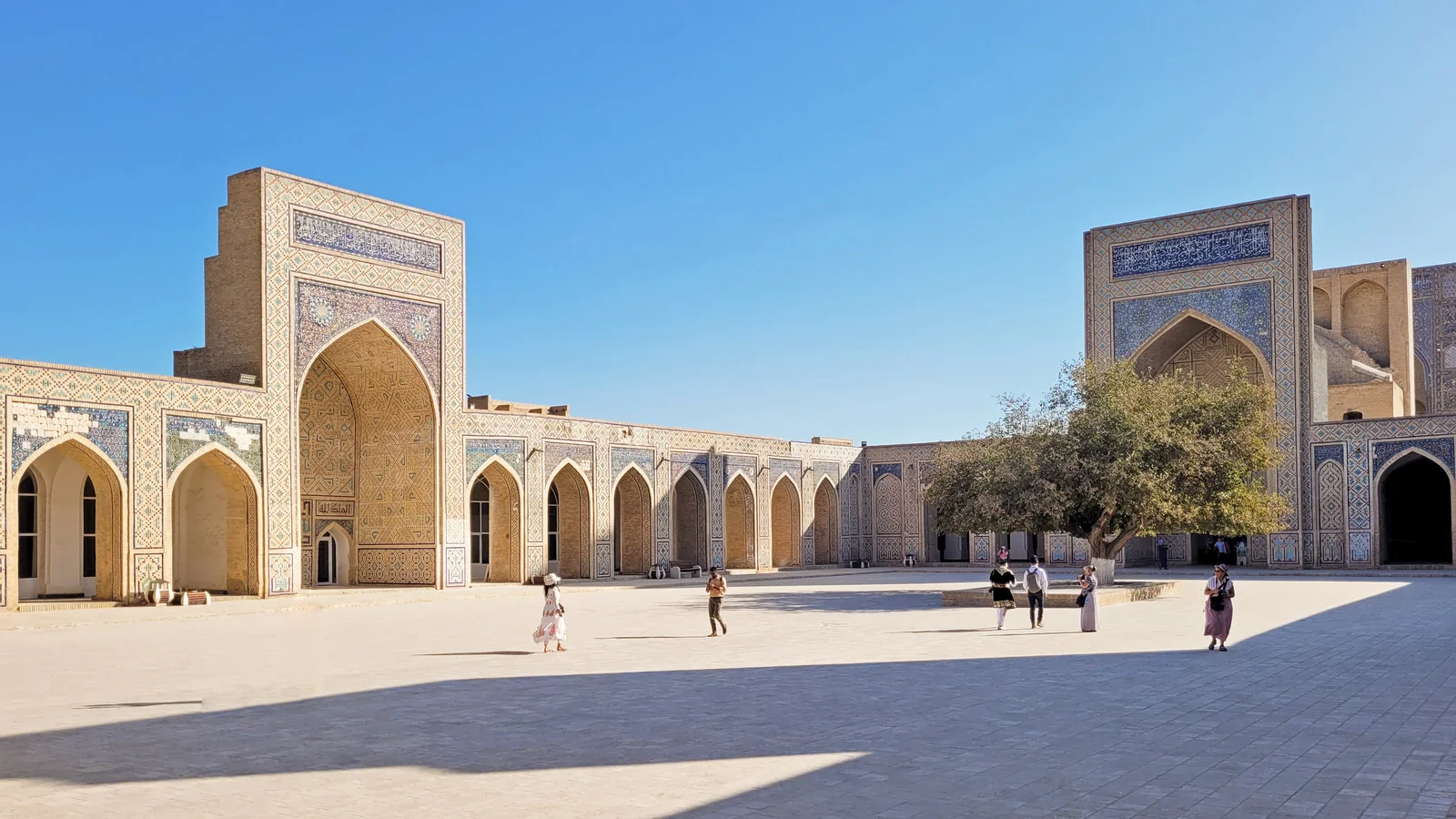
Among the many Sufi orders that developed across the Islamic world, the Naqshbandi tariqa stands out for its geographic reach, its emphasis on sober, law-abiding spirituality, and its distinctive practice of silent dhikr. This article offers a neutral, historically grounded introduction to the order — its background, core practices and spread — without ranking it above or below any other tradition.
Background and Name
The Naqshbandi order takes its name from a teacher associated with Central Asia in the 14th century CE, whose method became the defining framework of the tariqa that later bore his name. Like most Sufi orders, the Naqshbandi lineage did not appear in a single moment; it drew on generations of earlier teachers and, over subsequent centuries, branched into numerous regional lines, each retaining the order's core principles while adapting to local context.
Geographic Spread
Few Sufi orders have spread as widely as the Naqshbandi tariqa. From its Central Asian origins, it extended into the Indian subcontinent, the Ottoman Empire (including Anatolia and the Balkans), the Caucasus, and parts of China, becoming one of the most transregional orders in Islamic history. This spread occurred gradually, through the travels and teaching activity of successive generations of scholars associated with the order.
Core Practices
A few features are commonly associated with the Naqshbandi approach to spiritual practice:
- Silent dhikr: unlike orders that emphasize audible or rhythmic group remembrance, the Naqshbandi tradition is particularly known for internal, silent remembrance of God.
- Khatm-i Khwajagan: a structured collective gathering involving specific recitations, historically associated with the order and still practiced in various forms by different branches today.
- Close adherence to Islamic law: the order has historically emphasized that spiritual practice should closely follow, rather than diverge from, mainstream religious obligations and daily life.
- Suhbah (companionship): regular gatherings with a teacher and fellow students are considered central to spiritual training.
A Note on the Silsila
Every tariqa traces a chain of spiritual transmission, or silsila, connecting each generation of teachers to the one before. Because these chains vary in detail between branches and are documented differently across historical sources, we deliberately avoid presenting a single definitive list of names here — readers interested in a specific branch's silsila are best served by consulting that branch's own recognized scholarly sources.
The Naqshbandi Order Today
The Naqshbandi tariqa remains one of the most active and widely followed Sufi orders in the contemporary Muslim world, with communities across Central and South Asia, the Middle East, Turkey, and diaspora communities in Europe and North America. As with any large, centuries-old tradition, it comprises many branches with somewhat different local practices, all sharing the same broad lineage and core orientation.
Dhikr, Counting and Prayer Beads
Across virtually all Sufi orders, including the Naqshbandi tradition, prayer beads (tesbih/misbaha) are commonly used as a practical tool to count repetitions during dhikr sessions, whether performed silently or aloud. A well-made 33 or 99-count strand allows a practitioner to keep track of lengthy remembrance sequences without distraction — a small but meaningful part of the broader etiquette (adab) that surrounds structured spiritual practice.
Frequently Asked Questions
What makes the Naqshbandi order distinctive?
The Naqshbandi order is best known for its emphasis on silent (rather than vocal) dhikr, close attachment to Islamic law and daily life, and the practice of Khatm-i Khwajagan, a structured collective remembrance gathering.
Where did the Naqshbandi order spread historically?
Originating in Central Asia, the order spread widely across the Indian subcontinent, the Ottoman lands, the Caucasus and parts of China over the following centuries, becoming one of the most geographically widespread Sufi orders.
What is the silsila of the Naqshbandi order?
Like other Sufi orders, the Naqshbandi tariqa traces a chain of spiritual transmission (silsila) through a line of teachers. Because chains of transmission vary by branch and region, we avoid listing a single definitive silsila here.
Is dhikr in the Naqshbandi order done aloud or silently?
The order is historically associated with silent, internal dhikr as its primary method, distinguishing it from orders that emphasize vocal or rhythmic group dhikr.
Continue exploring this series with our guides on what Sufism and tariqa mean and the Qadiri tradition of vocal dhikr.
We produce neutral, well-sourced educational content on Islamic heritage alongside our 35 years of experience crafting prayer beads, fragrances and Hajj & Umrah essentials. Reach us on WhatsApp for any questions.
Sources & references: This article presents widely-accepted, general historical information about the Naqshbandi order. It avoids disputed dates, unverifiable chains of transmission and any comparative or sectarian claims.
Premium roll-on perfumes, prayer beads, ihram & Hajj-Umrah essentials — since 1991.
Browse the shop →Get 10% off your first order — coupon code: ILK10