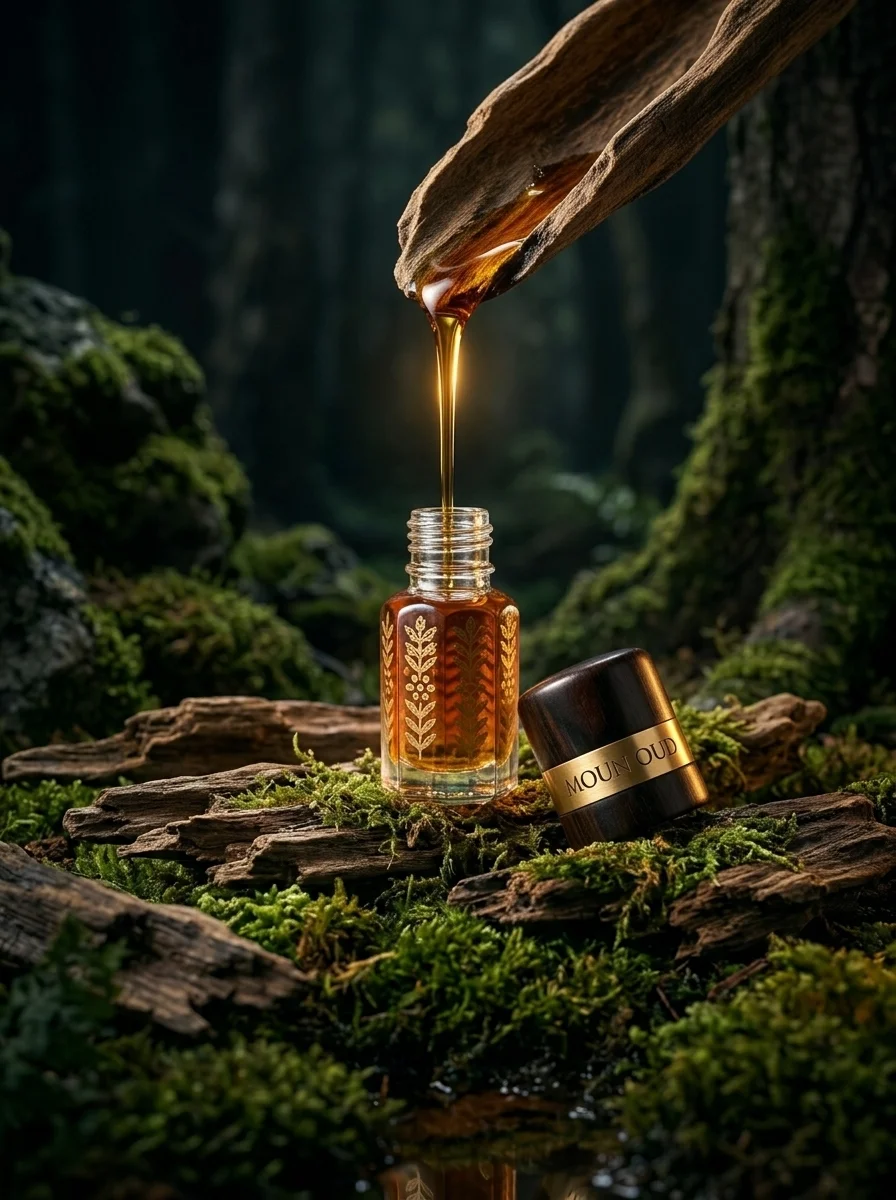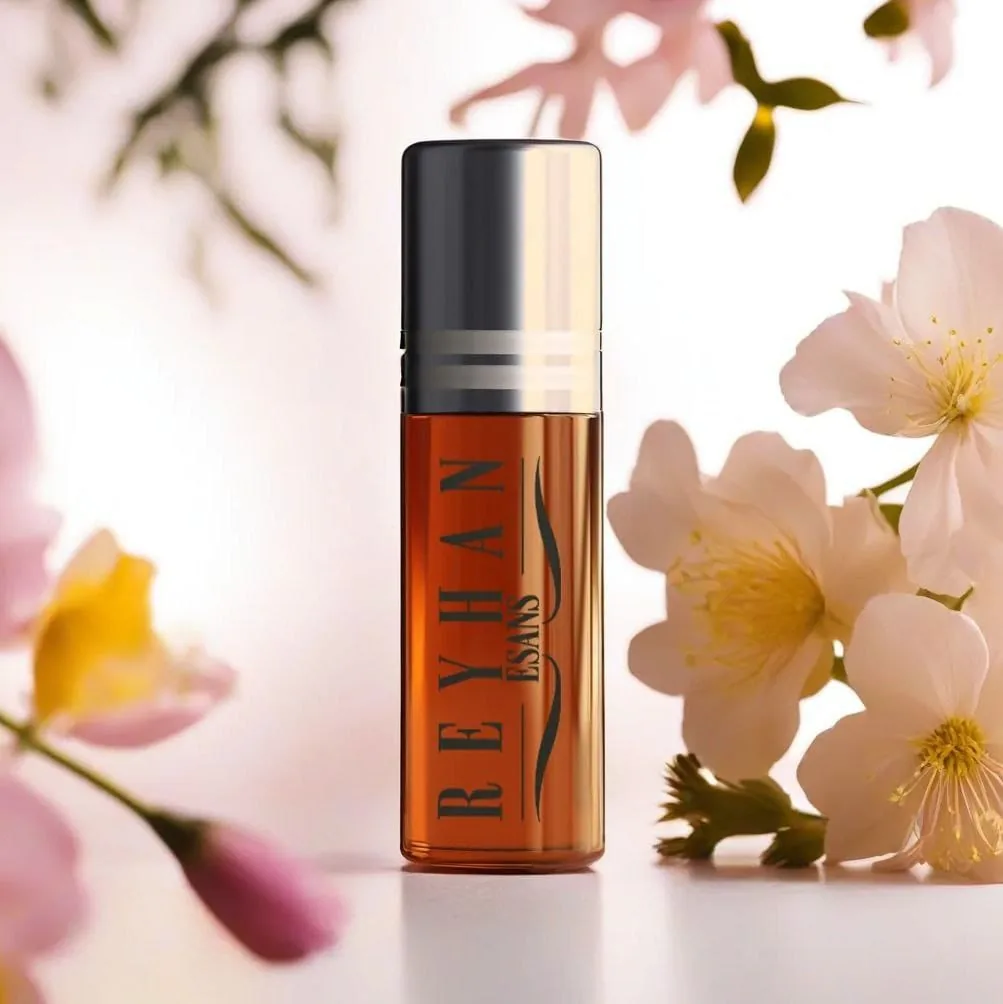
What Is Musk Fragrance? Meaning, Origin & Islamic Significance
The origin, meaning and halal alcohol-free musk oils valued in Islamic tradition since the time of the Prophet — and how to choose a quality musk fragrance today.
READ THE GUIDE →Faith, fragrance and tradition. Guides on musk, oud, amber, Sunnah scent practices, Hajj & Umrah essentials and halal perfume, written with 35 years of production experience.
The origin, meaning and halal alcohol-free musk oils valued in Islamic tradition since the time of the Prophet — and how to choose a quality musk fragrance today.
READ THE GUIDE →
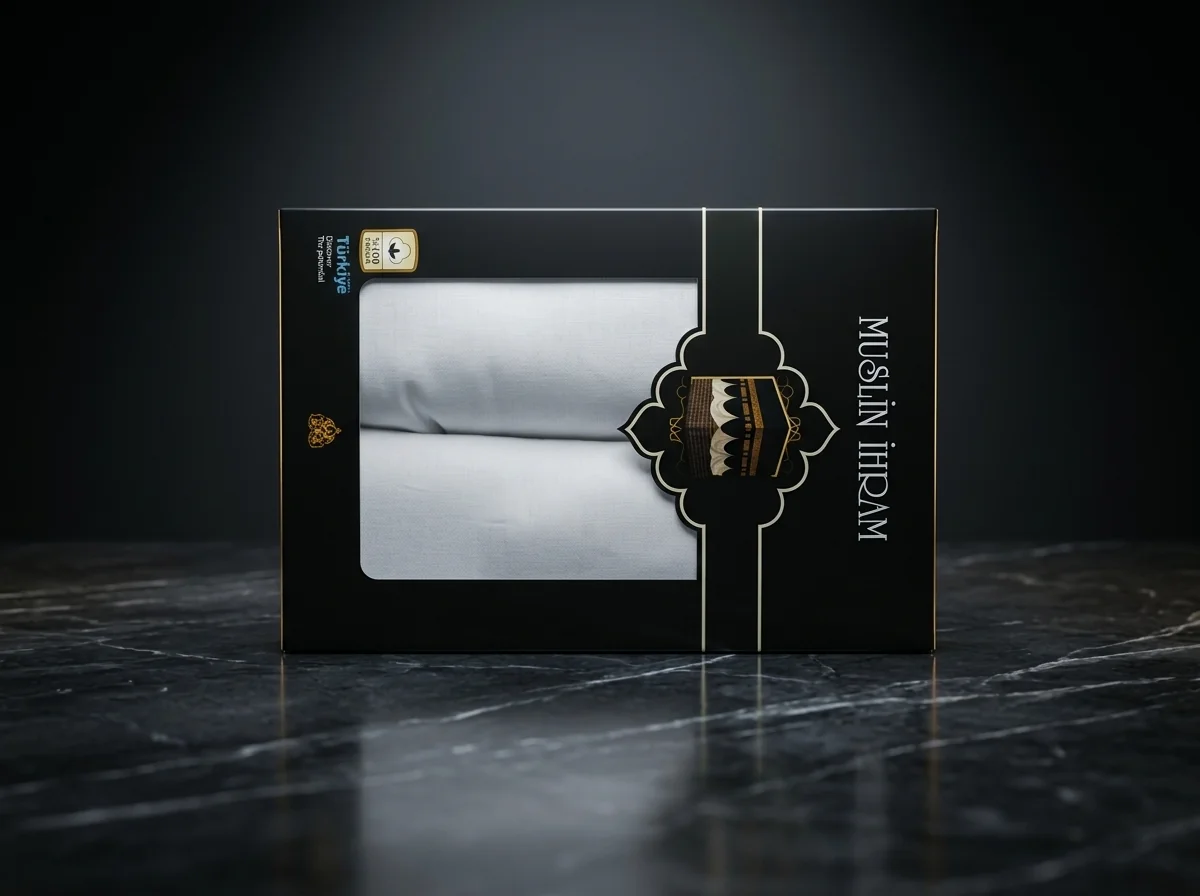
A practical guide to halal, alcohol-free scent essentials for your pilgrimage bag — before, during and after Ihram.
READ THE GUIDE →All Articles
What hadith say about fragrance, why the Prophet loved good scent, and how to choose halal perfume.
Musk, amber and oud in Islamic tradition and how to bring these timeless scents into daily life.
Origin, warm resinous character, benefits and how to wear this beloved fragrance note.
The Sunnah of Friday preparation and how to choose the right halal fragrance for Jumu'ah.
Thoughtful gifts for Kandil, Ramadan and Eid — from fragrance sets to prayer beads.
Safe, correct at-home bakhoor burning steps and the meaning behind this Islamic tradition.
The symbolic meaning of scent in dreams according to Islamic dream interpretation tradition.
The origin, rarity and how to use one of the most prized fragrance materials in the world.
A complete comparison of longevity, skin effect and religious considerations.
The oral health benefits, correct usage and Islamic tradition behind this natural toothbrush.
Facing 96 fragrance oil options can feel overwhelming. Here's how to navigate a large alcohol-free scent collection and find notes that suit you.
The life of Abu Bakr, the Prophet's closest companion and the first Caliph of Islam, known for his unwavering faith and integrity.
How nearly eight centuries of Muslim presence in the Iberian Peninsula shaped science, architecture and culture.
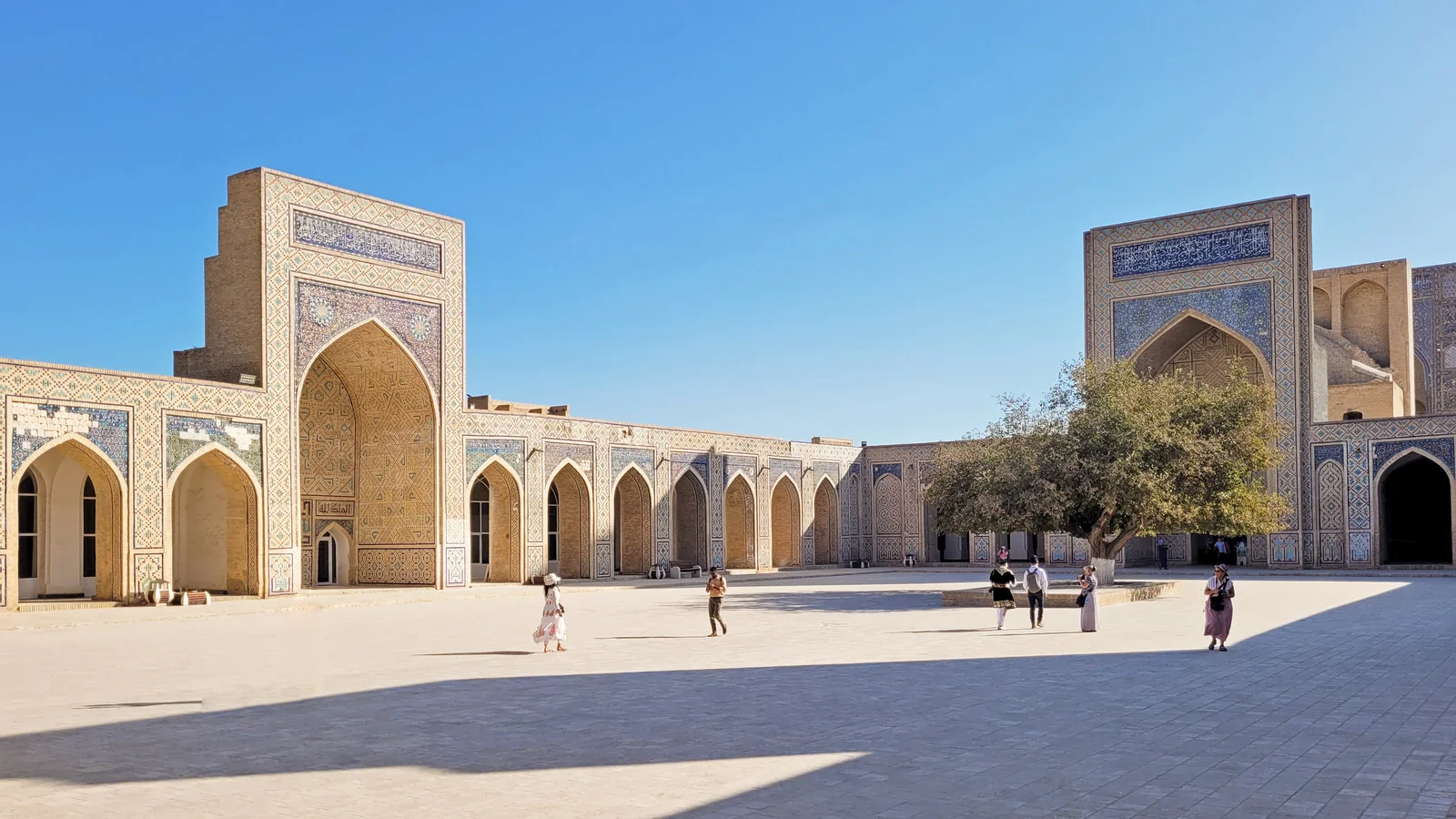
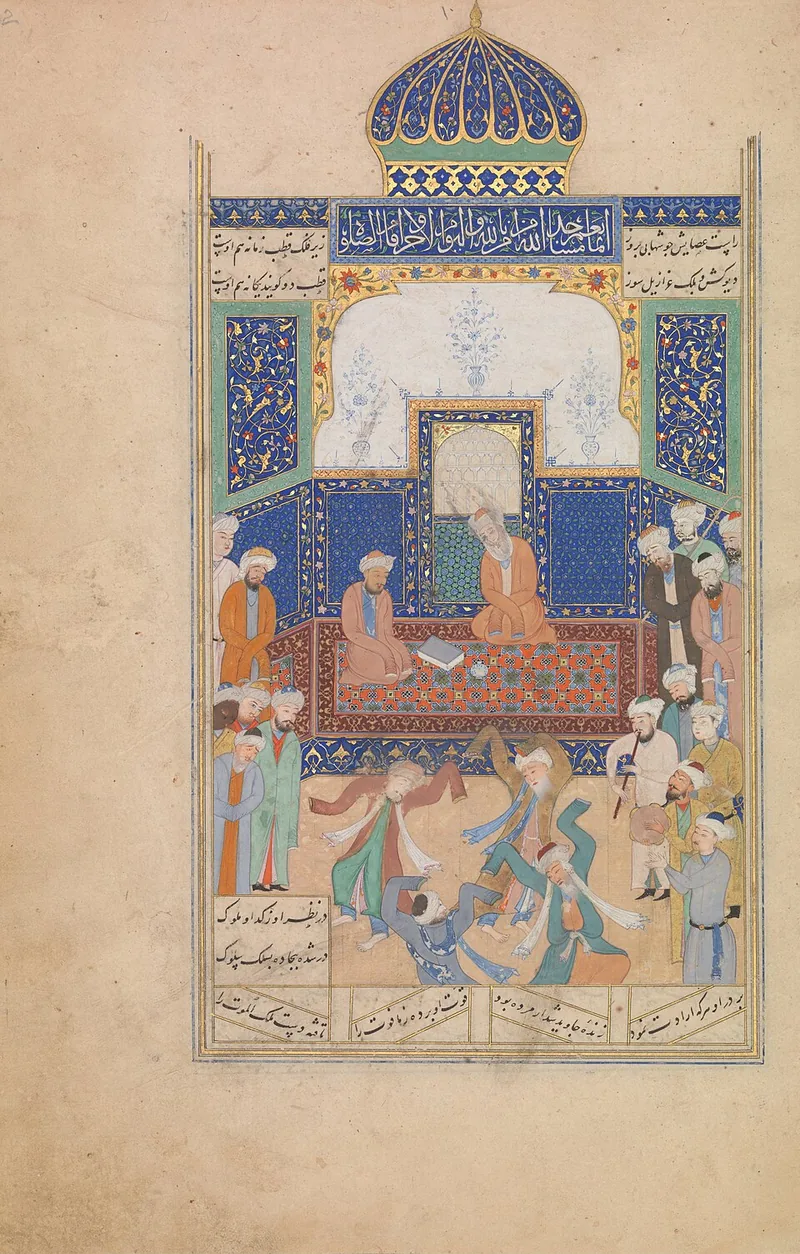
How Bukhara and Samarkand became legendary centers of Islamic scholarship, science and learning along the Silk Road.
Many Muslims pair Cevshen recitation with rose water and pleasant fragrance. Learn the tradition and the benefits of natural rose water.
How prayer beads (tesbih/misbaha) are used in dhikr across Sufi orders: counting methods, bead counts, materials and traditional etiquette.
Why pleasant scent and incense have long accompanied dhikr gatherings and Sufi lodges, in the broader Islamic love of good fragrance.
A complete, practical checklist of everything to prepare for Hajj or Umrah, including items pilgrims often forget.
The history of Islam's two holiest cities, from pre-Islamic times through today, and their central role in Hajj and Umrah.
How the tesbih became a defining craft of Ottoman culture — origins, master craftsmen, materials and lasting legacy.
Pulse points, layering and expert tips to make your oil-based esans fragrance last all day.
Choosing a fragrance gift set for someone else isn't guesswork. Learn how to pick the right scent family, format and presentation.
A clear, step-by-step guide to performing Umrah on your own — visa, Miqat, Ihram, Tawaf, Sa'i and Halq — for independent pilgrims.
A clear step-by-step guide to wudu, the Islamic ritual washing performed before prayer.
A clear, step-by-step introduction to how to pray in Islam, for beginners and new Muslims.
Oud oil is potent and long-lasting — using too much or applying it wrong wastes its value. Learn where, how much and when to apply it.
Learn how to wear the two-piece Ihram garment correctly for Hajj or Umrah, from fabric choice to draping technique.
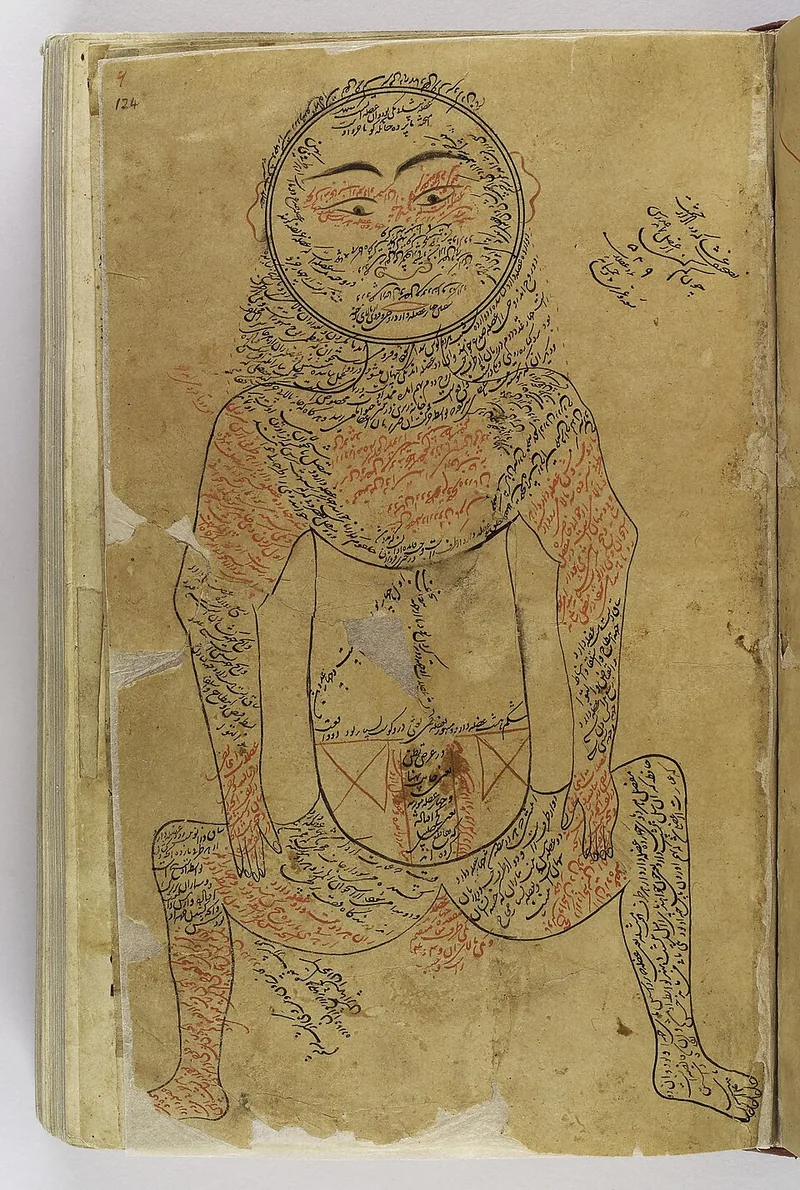
The life and legacy of Ibn Sina (Avicenna), author of the Canon of Medicine.
The history of Islam in Africa, from its early arrival to the rich scholarly traditions of West and East African Muslim communities.
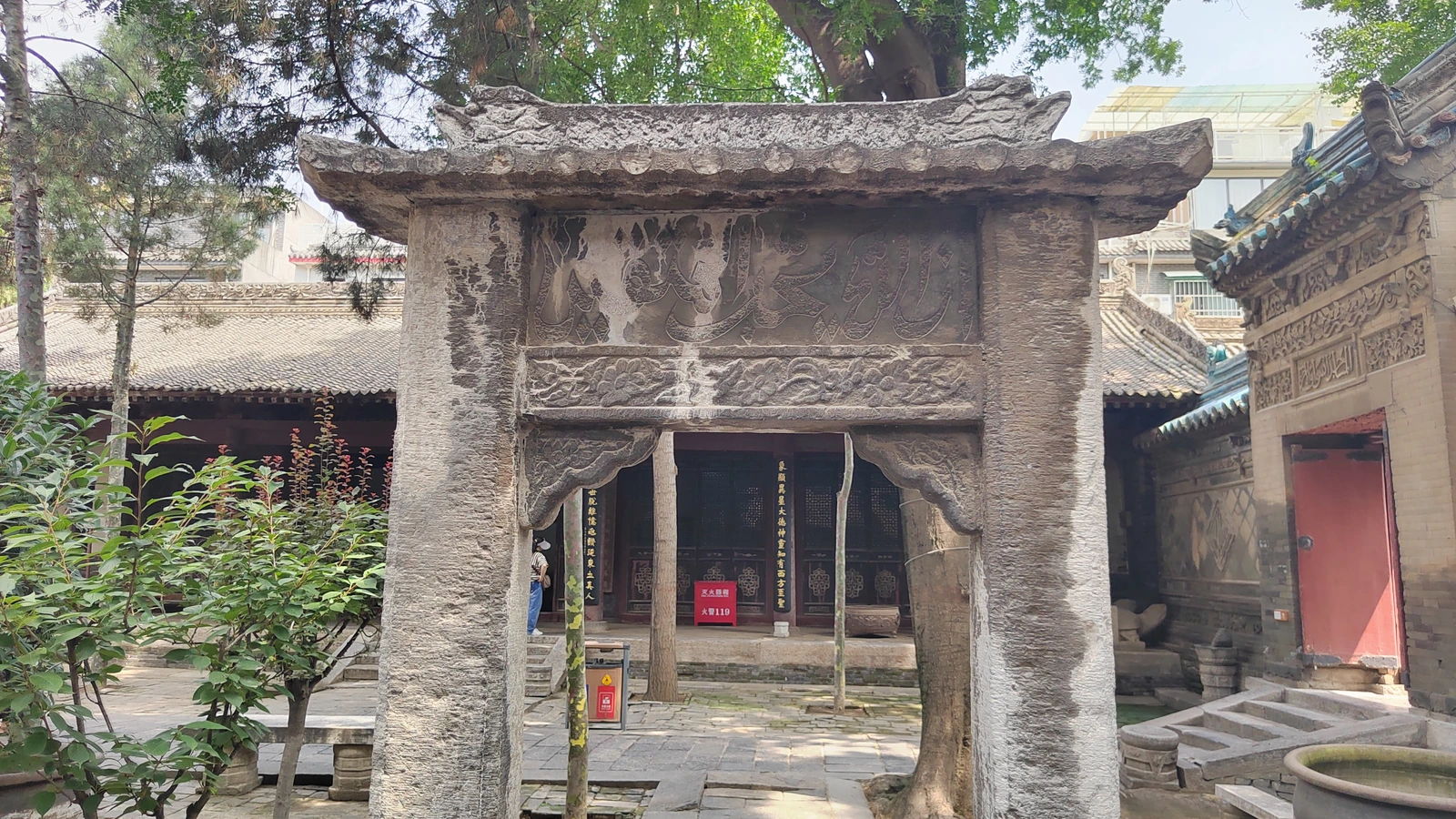
The history of Islam in China, from early Silk Road trade to the Hui and Uyghur Muslim communities and their distinctive mosque architecture.
How Islam spread peacefully across Southeast Asia through trade, becoming the region of the world's largest Muslim population today.
Algebra, optics, medicine and astronomy: the scholars and discoveries of the Islamic Golden Age.
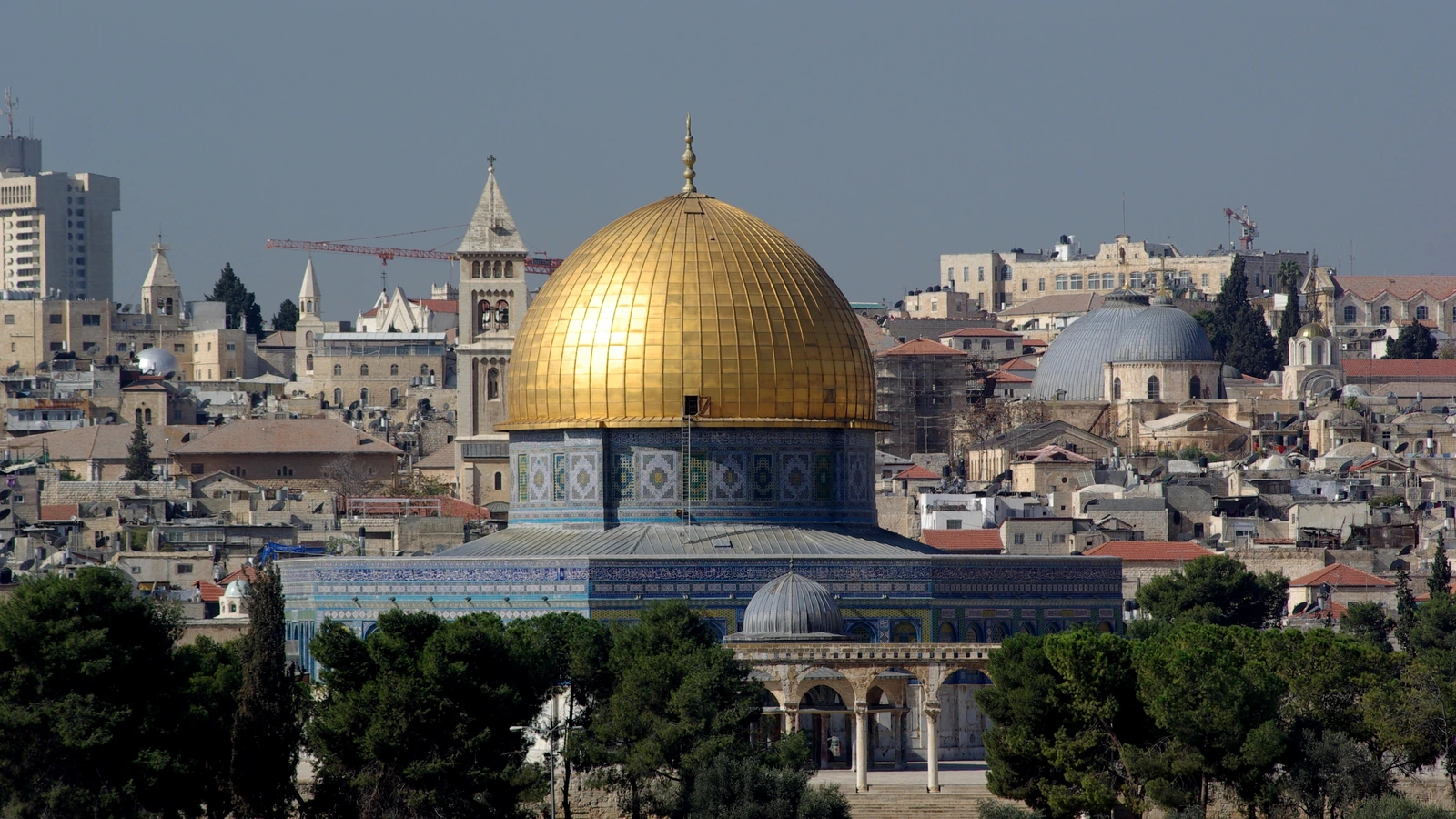
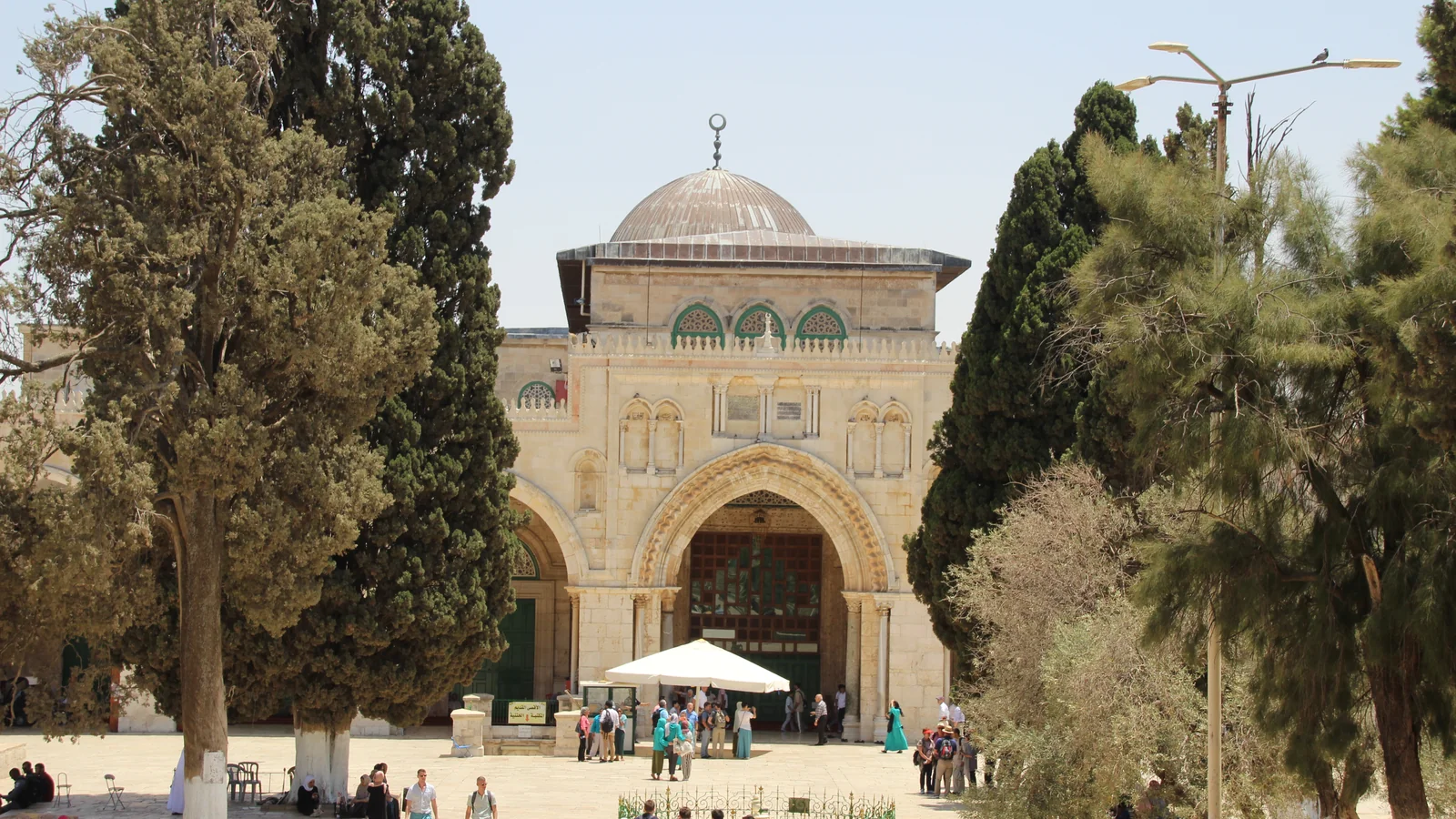
The significance of Al-Aqsa Mosque, the Night Journey, and Jerusalem's lasting place in Muslim tradition.
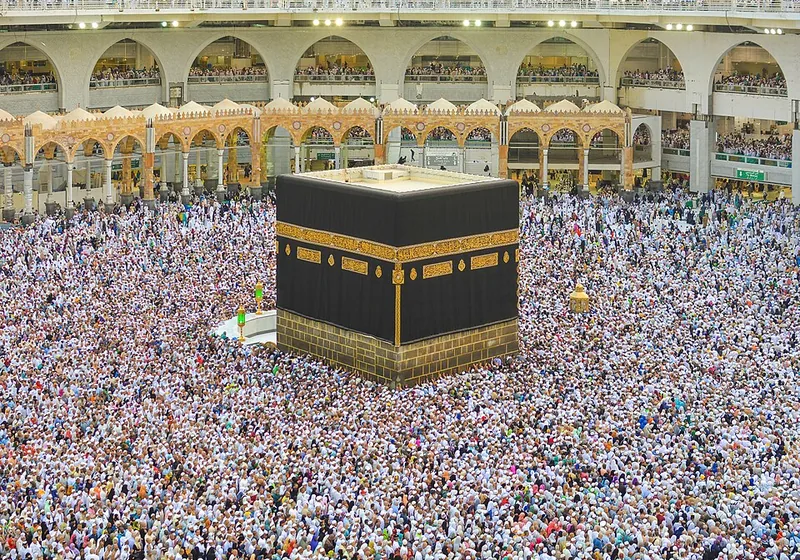
The Kaaba's origins, rebuilding, the Black Stone, and the growth of Masjid al-Haram.
A neutral, encyclopedic guide to the Khalwati Sufi order and its major role in Ottoman religious and cultural life.
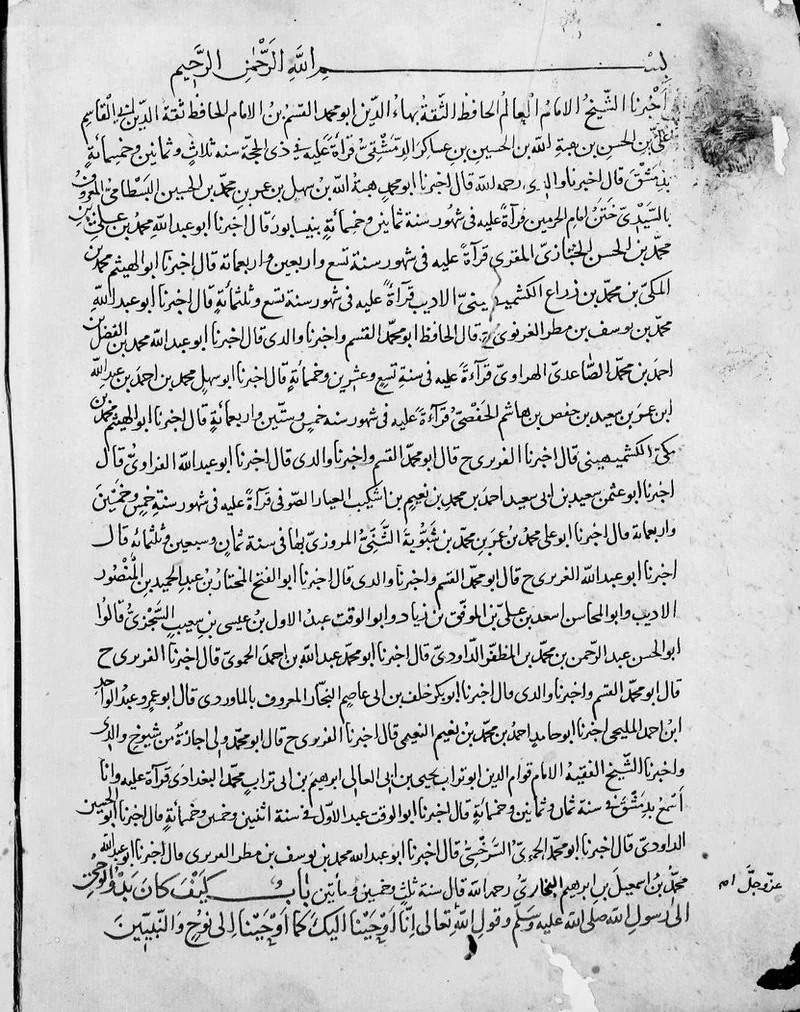
An introduction to the six major hadith collections in Sunni Islam and their role in Islamic scholarship.
The religious and historical significance of Masjid al-Aqsa, the first qibla and site of the Night Journey.
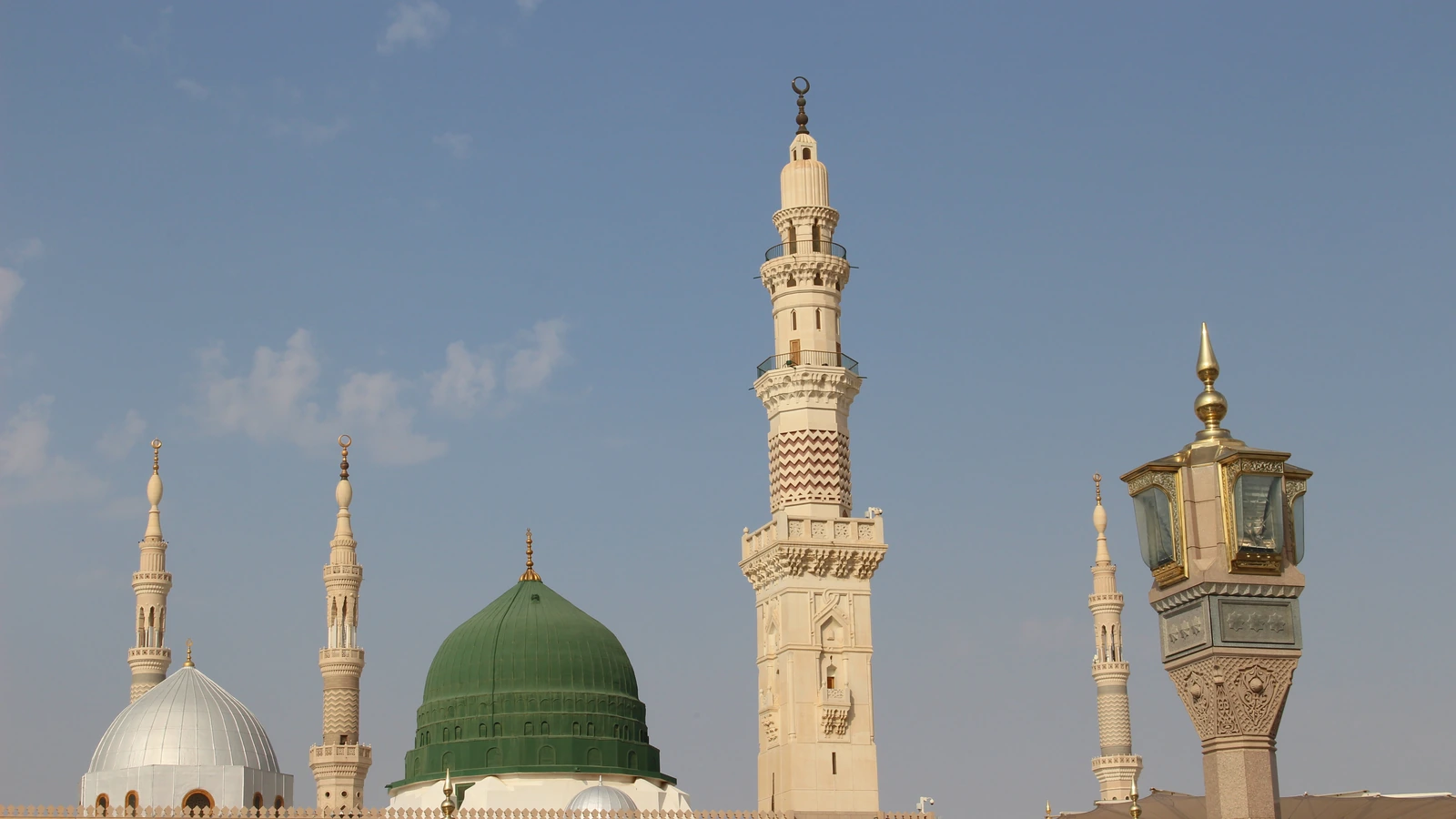
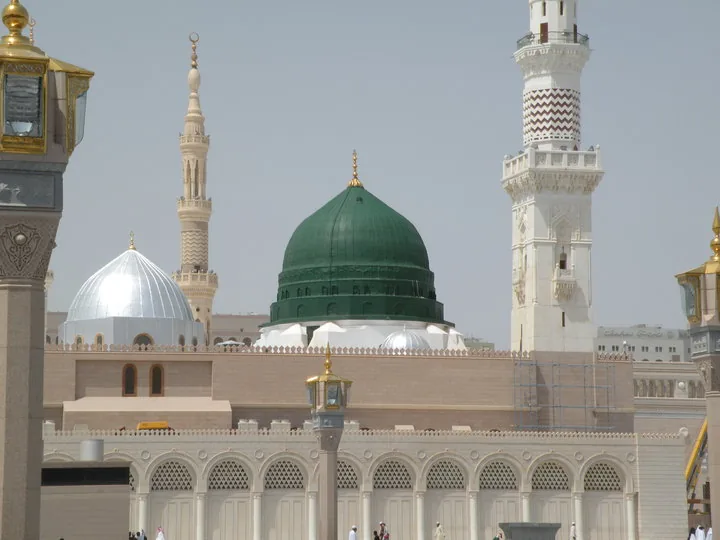
The history and significance of Masjid an-Nabawi, the Prophet's Mosque in Medina.
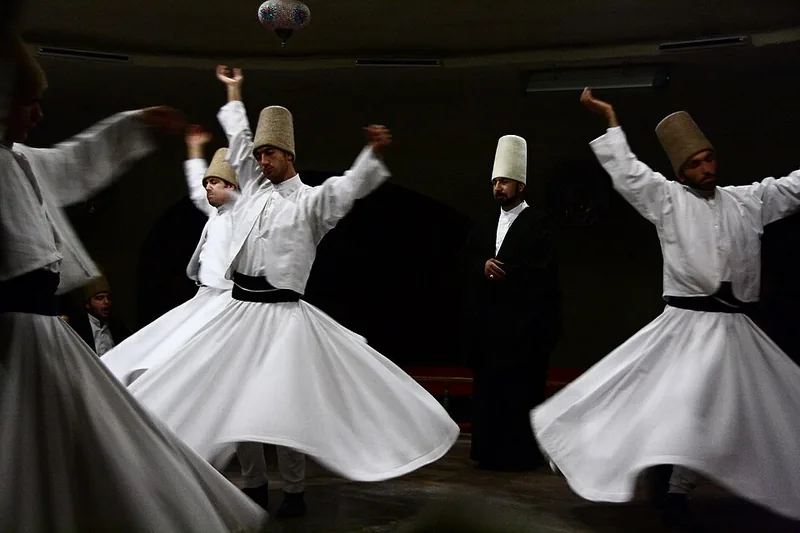
A neutral, encyclopedic guide to the Mevlevi Sufi order, the meaning of the Sema whirling ceremony, and its history in Konya.
Mukhallat, sandalwood and mysoul are among the most requested fragrance notes in oil perfumery. Learn what each means and how to choose.
Current estimates of the global Muslim population, where they live, and projected growth trends.
An encyclopedic overview of the Naqshbandi Sufi order: origins, silent dhikr, the Khatm-i Khwajagan practice and its historical spread.
How the waqf endowment system funded mosques, schools, hospitals and fountains across the Ottoman world.
An encyclopedic look at the Qadiri Sufi order, one of the oldest tariqas, known for congregational vocal dhikr.
From a small family workshop to an international brand — the 35-year story of Reyhan Esans.
A neutral, encyclopedic overview of two historic Sufi orders: the Rifai tariqa of southern Iraq and the Shadhili tariqa of North Africa.
Two beloved classics of Islamic devotional literature, their authors and their role in daily practice.
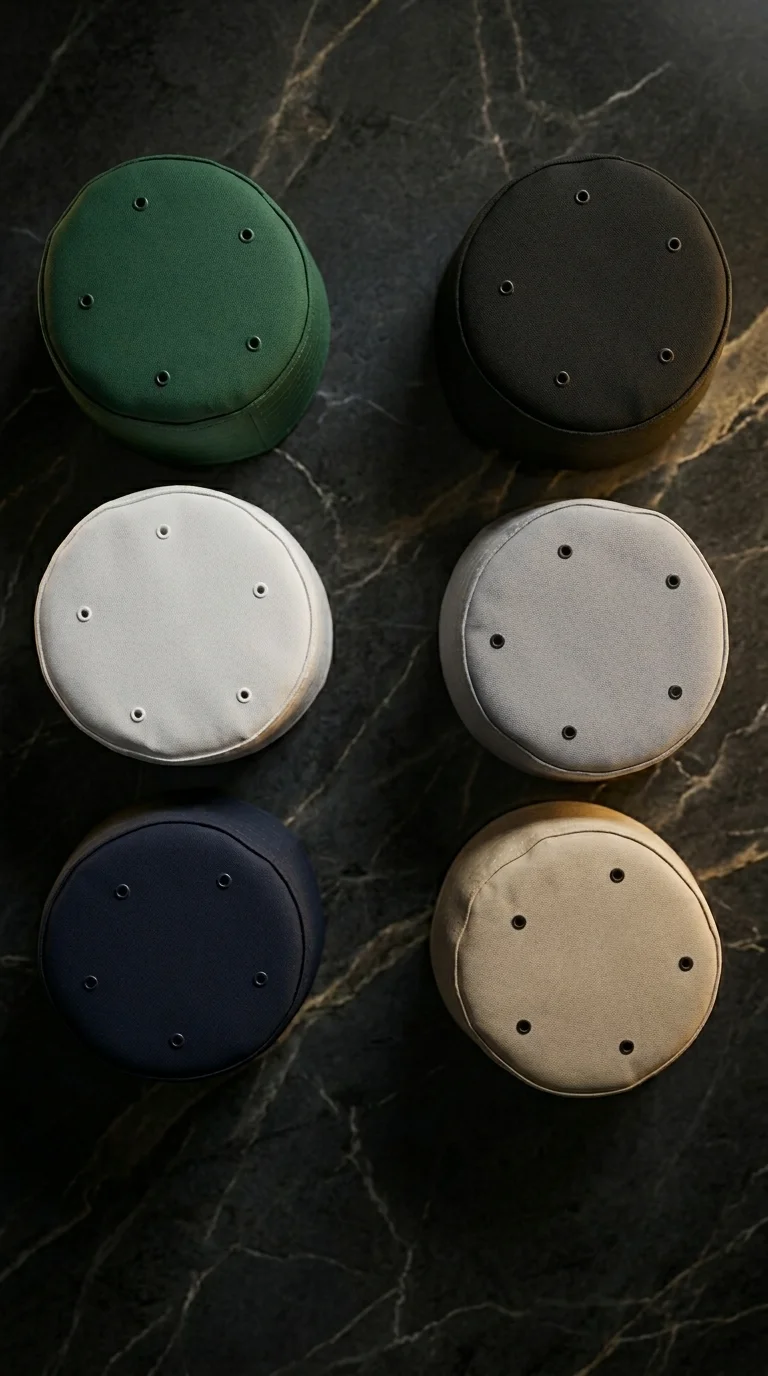
Saudi-style takke and mold (kalıp) takke look similar but differ in structure, material and fit. Here's how to tell them apart.
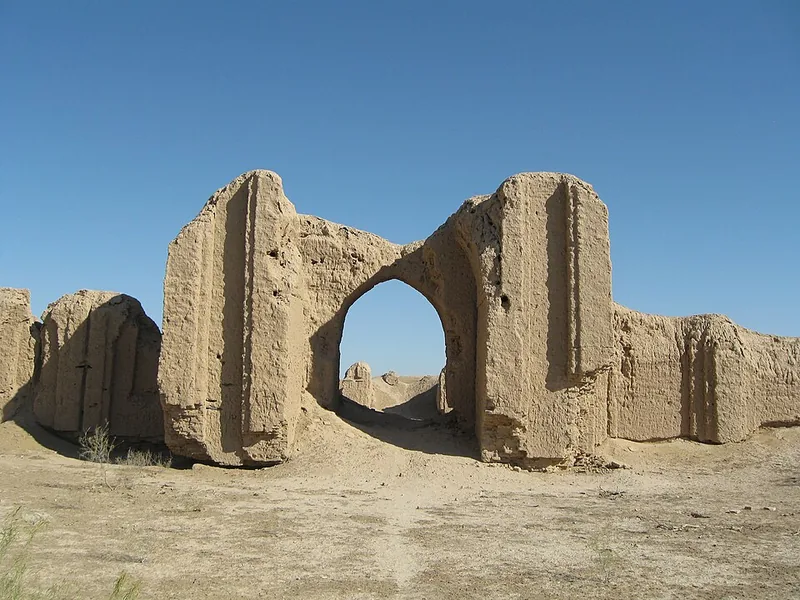
How the Silk Road connected Islam to Central Asia and beyond, carrying silk, spices, scholars and aromatic goods like oud and musk.
How Islam spread from Arabia across three continents through trade, scholarship and migration.
The ten companions given the glad tidings of Paradise by the Prophet Muhammad, and why they hold such a special place in Islamic tradition.
The life of Umar ibn al-Khattab, the second Caliph of Islam, celebrated for his justice, discipline and administrative legacy.
The origin, ingredients and halal nature of esans (attar), the ancient oil-based fragrance tradition.
Kuka is a popular natural seed material for tesbih (Islamic prayer beads), prized for weight, sound and durability.
A neutral, encyclopedic guide to the origins, key concepts and vocabulary of Islamic mysticism (tasawwuf) and Sufi orders (tariqa).
The meaning, wording and significance of the Shahada, Islam's declaration of faith.
An introduction to zakat, one of the Five Pillars of Islam, and the broader culture of giving in Muslim life.
What defines a companion (Sahaba) of the Prophet Muhammad, their role in preserving Islam, and why they are so highly honored.
Some historical and geographic images on this blog are sourced from Wikimedia Commons. License and source: